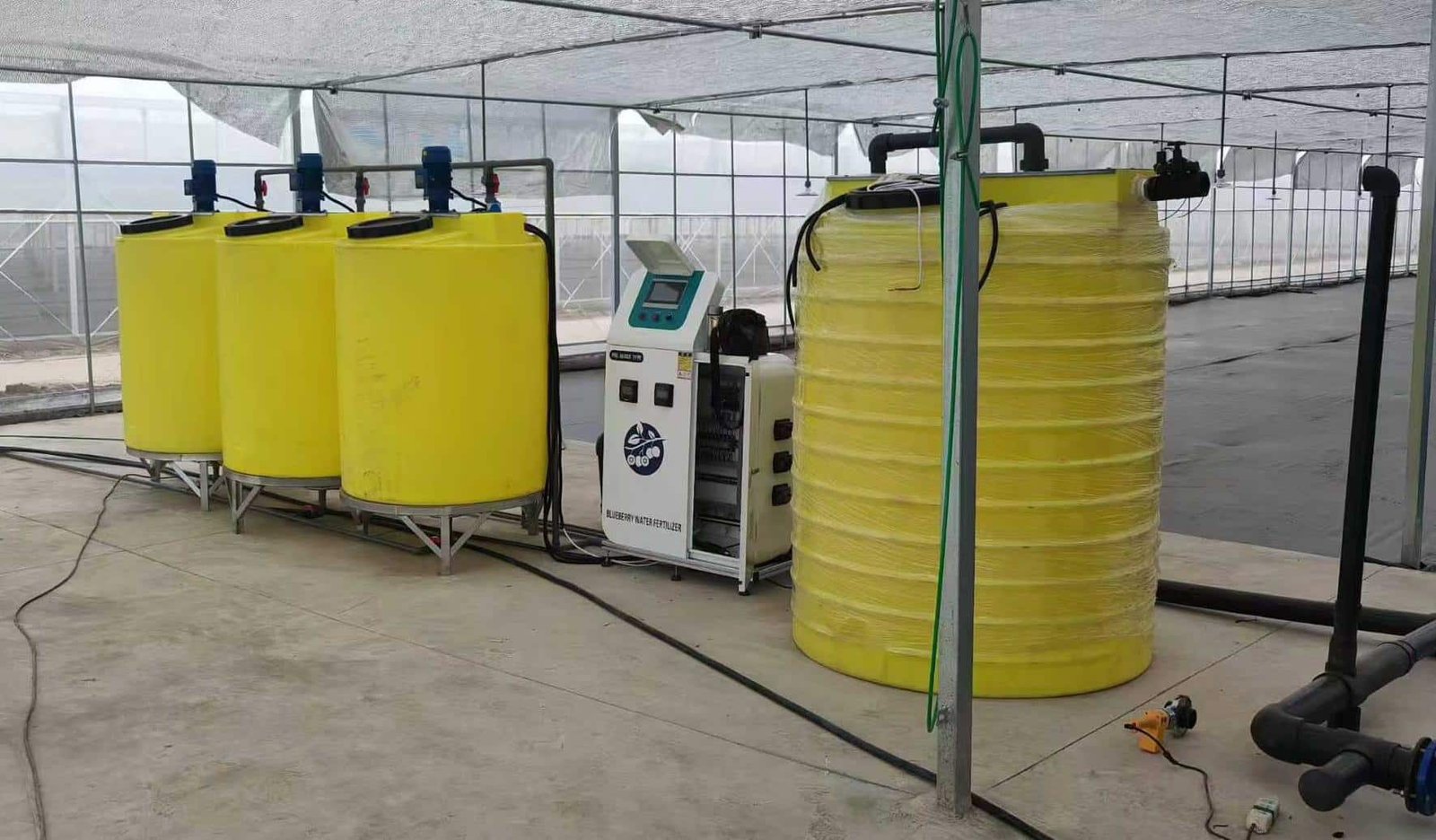
Automated Fertigation System for Large Farms: Boost Yields & Save Water
Key Takeaways: Automated Fertigation Systems
| Benefit | Impact |
|---|---|
| Yield Increase | Up to 30% higher crop yields |
| Water Savings | 40–60% reduction in water usage |
| Labor Cost Reduction | 50–70% less manual labor |
| ROI Timeline | 12–24 months average |
1. What Is an Automated Fertigation System?
Automated fertigation systems for large farms integrate irrigation and fertilization into one smart unit. These systems automatically deliver the right amount of water and nutrients directly to plant roots, improving efficiency and crop health.
Think of it as a “smart” irrigation system that not only waters your crops but also ensures they receive the optimal nutrients for growth. According to the Food and Agriculture Organization (FAO), integrated irrigation and fertigation technologies are among the top strategies for sustainable agriculture and climate resilience.
Farmers can monitor and control the system through a touchscreen or mobile app, ensuring that water and fertilizers are delivered precisely according to the plants’ needs.
2. How It Works and Why It Matters
An automated fertigation system uses sensors, timers, and cloud-based control technology to monitor soil moisture levels and nutrient concentrations. These systems integrate seamlessly with drip irrigation systems for maximum water efficiency.
With precision control over water and nutrients, farms can minimize waste while optimizing crop yields and plant health. This technology also reduces the need for manual labor, which is one of the biggest cost factors in traditional farming.
- Water Saving: Up to 60% less water usage due to targeted irrigation.
- Cost Efficiency: Reduce labor costs by automating the fertilization process.
- Improved Crop Health: Prevent nutrient imbalances and over-fertilization.
Research from the University of Florida Institute of Food and Agricultural Sciences (IFAS) shows that fertigation systems enhance nutrient uptake efficiency by more than 25%, improving soil health and promoting sustainable crop production.
3. Key Benefits for Large Farms
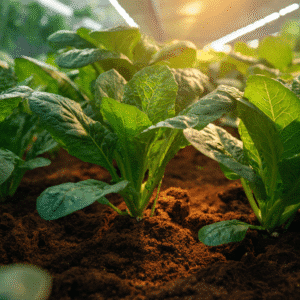
- Yield Increase: Up to 30% higher yields with less resource input.
- Water Efficiency: Save 40–60% water usage with precise irrigation control.
- Labor Reduction: Minimize labor by automating irrigation and fertilization.
- ROI: Faster payback period, usually within 12–24 months, due to reduced operational costs.
This technology is already transforming large-scale agriculture. According to the World Bank Agriculture & Rural Development Department, automation and precision irrigation systems are key to improving food security and resource efficiency in the coming decade.
4. Haishun Smart Agriculture Solutions
At Haishun, we offer a range of smart fertigation systems designed to streamline farm operations. Our systems are fully customizable and can be tailored to meet the needs of any farm size, from small greenhouses to large open fields. We also integrate our fertigation systems with other advanced agricultural technologies such as agricultural drones and greenhouses.
Learn more about how Haishun’s solutions can revolutionize your farm at our About Haishun page or get in touch via our Contact page.
5. Comparison: Traditional vs. Automated Fertigation

| Aspect | Traditional | Automated |
|---|---|---|
| Water Use | High, inconsistent | 40–60% savings |
| Labor Requirement | Manual operation | Automated control |
| Fertilizer Efficiency | Uneven application | Precision dosing |
| Crop Yield | Average | Up to 30% higher |
6. Frequently Asked Questions (FAQ)
- What is a water and fertilizer integration system?
- It automates irrigation and fertilizer delivery, saving labor and optimizing nutrient uptake.
- How does it improve crop yield?
- By providing precise amounts of water and nutrients, reducing waste and enhancing growth.
- Can it be connected to drip irrigation?
- Yes, fertigation systems are commonly paired with drip irrigation for maximum efficiency.
- Is it suitable for all farm sizes?
- Yes, from small greenhouses to large open fields, systems can be scaled accordingly.
- How is fertilizer dosage controlled?
- By sensors, timers, or manual programming, ensuring precise nutrient delivery.
- What kind of fertilizers can be used?
- Water-soluble fertilizers, such as NPK blends, calcium nitrate, and potassium sulfate.
- What’s the ROI for farmers?
- Reduced labor, 15–30% less fertilizer use, and higher yields = faster payback.
7. Contact & Learn More
Looking to automate your farm’s irrigation and nutrient delivery? Explore Haishun’s full range of smart agriculture solutions or get in touch for a personalized quote.