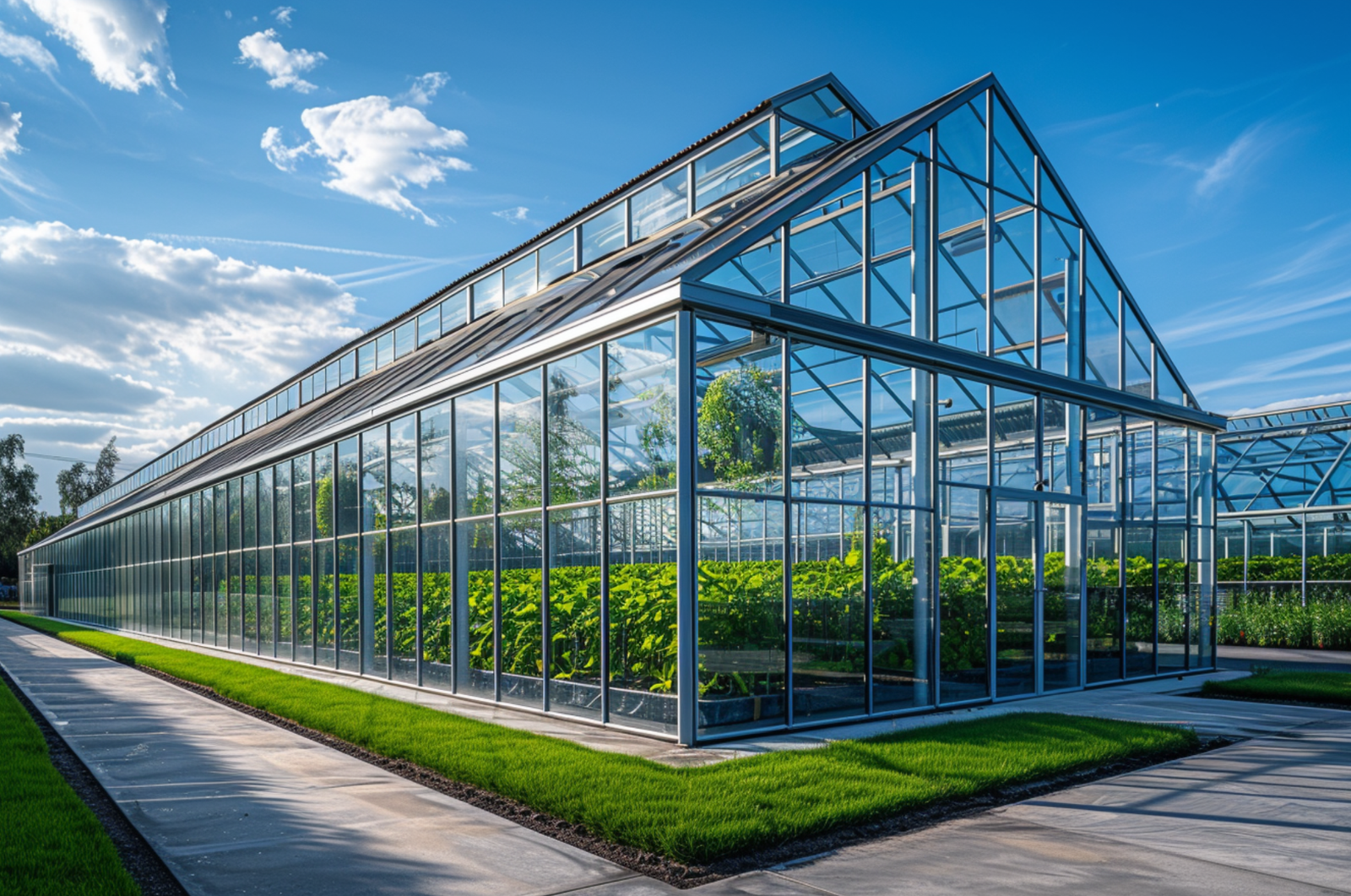
Commercial Greenhouses: The Definitive 2026 Guide to High-Tech Farming for Maximum Profit
Introduction: Why Commercial Greenhouses are Transforming Global Farming
In an increasingly volatile agricultural market, professional growers are shifting away from traditional open-field methods toward commercial greenhouses. This transition is driven by the urgent need to stabilize production, mitigate extreme climate risks, and meet the rising global demand for high-quality, pesticide-free produce. By enclosing the growing environment, you gain absolute mastery over temperature, humidity, light spectrums, and nutrient delivery—variables that are often impossible to manage in nature.
According to the Food and Agriculture Organization (FAO), controlled-environment agriculture is a cornerstone for future food security. Furthermore, insights from the World Bank’s Agriculture Initiatives indicate that greenhouse farming can increase water-use efficiency by up to 60% while doubling yield density. This is particularly relevant for high-value exports like Premium Shine Muscat Grapes, where quality consistency is paramount.
I. Strategic Advantages of Commercial Greenhouses
A well-designed commercial greenhouse acts as a biological factory, providing a stable micro-climate that matches the specific biological needs of your crops. Instead of reacting to weather changes, you proactively set the conditions for growth.
- Year-Round Production: Maintain peak production during winter, heavy rainy seasons, or extreme summer heat. This allows you to supply markets when competitors cannot, securing “off-season” premium prices.
- Drastic Water Efficiency: In regions where water is a scarce resource, combining a greenhouse with high-performance drip irrigation tape ensures that evaporation is minimized and water is delivered directly to the root zone.
- Superior Pest & Disease Management: Physical barriers and integrated screening systems significantly reduce insect pressure. This leads to cleaner crops and allows for a substantial reduction in the use of expensive chemical pesticides.
- Higher Yield & Better Brix: Optimized light and CO2 levels result in faster growth and fruits with better color, size, and higher sugar content (Brix).
II. High-Tech Features & Automation Systems
Modern commercial greenhouses are no longer simple plastic tunnels; they are high-tech hubs integrating smart automation to reduce labor and improve precision. Instead of manually opening vents or switching pumps, professional growers rely on data-driven sensors.
- Automated Climate Control: High-precision sensors measure temperature, humidity, and CO2 in real-time, while digital controllers automatically adjust fans, vents, and heaters to maintain the “sweet spot” for plant growth.
- Smart Fertigation: Water and nutrients are delivered with surgical precision. Utilizing a Smart Fertigation Machine allows you to customize the nutrient recipe for different growth stages, ensuring zero waste.
- Advanced Covering Materials: Choice between high-transmittance PO film, anti-drip poly, or long-life tempered glass affects everything from light diffusion to heat retention.
- Hydroponic Integration: For leafy greens and herbs, Modern Hydroponic Systems can be installed within the greenhouse to eliminate soil-borne diseases and increase planting density.
III. Economic Benefits & ROI: The Financial Logic
Investing in a commercial greenhouse is a strategic financial decision. While the initial capital expenditure (CAPEX) is higher than traditional farming, the stability and quality of the output create a much faster return on investment (ROI) than many realize.
Economic drivers for commercial greenhouse success include:
- Premium Pricing for Quality: Retailers and luxury distributors pay a premium for consistent, year-round supply and uniform fruit quality that only a greenhouse can provide.
- Lower Operational Waste: Precision dosing through automated fertigation control can reduce fertilizer purchasing costs by up to 40% by eliminating runoff.
- Land Optimization: Greenhouses produce significantly more “revenue per square meter” than open fields, allowing you to maximize the earning potential of every hectare.
- Predictable Cash Flow: Protection from storms and heatwaves means your income is no longer a gamble against the weather.
IV. Why Choose Haishun Agri for Your Greenhouse Project?
Selecting the right technical partner is vital for the success of your investment. Haishun provides end-to-end commercial greenhouse solutions designed specifically for challenging climates in the Middle East, Southeast Asia, Africa, and Australia.
Our Comprehensive Solutions Include:
- Turnkey Commercial Greenhouse Design – Customized Venlo, multi-span, or arch structures.
- Integrated Smart Fertigation & Irrigation Systems.
- Maintenance equipment such as the Remote Control Track Mower to manage the facility perimeters effectively.
With our “Altruistic” business philosophy, we focus on helping you achieve technical success first. Learn more about our mission on the About Haishun Agri Page.
V. Frequently Asked Questions (FAQ)
1. How long does a commercial greenhouse structure last?
Haishun structures utilize high-quality hot-dip galvanized steel which can last over 20 years. The covering material (film or polycarbonate) typically requires replacement every 5 to 10 years depending on the grade and UV exposure.
2. Is automation necessary for a successful greenhouse?
While basic structures work, automation pays for itself through labor savings and yield stability. You can find more technical advice in our Sustainable Agriculture Blog.
3. Can these greenhouses withstand high desert temperatures?
Yes. By integrating wet pads, cooling fans, and internal/external shading systems, we can maintain temperatures up to 10-15°C lower than the outside ambient air.