What Are the Real Benefits of Fertigation Systems for Modern Agriculture?
Understanding the fertigation benefits helps farm owners and agribusiness investors improve ROI and sustainability. Fertigation — the precise delivery of fertilizers through irrigation — allows nutrients and water to reach plants at the right time, improving both efficiency and profitability.
For agribusiness investors, farm owners, and agricultural consultants, understanding the real fertigation benefits is critical to achieving better yields and sustainability.
Table of Contents
1. Introduction: Why Fertigation Matters

Traditional fertilization is time-consuming, labor-intensive, and often wasteful. By contrast, fertigation ensures nutrients are dissolved in irrigation water, precisely reaching plant roots. This results in better absorption, less fertilizer loss, and lower water consumption—key performance indicators for any large-scale farm or project investor.
According to the Food and Agriculture Organization (FAO), precision irrigation methods like fertigation can reduce water use by up to 70% and fertilizer waste by 30–40%.
2. The 5 Real Fertigation Benefits for Agribusiness
| Performance Metric | Traditional Methods | Fertigation System |
|---|---|---|
| Water Efficiency | 50–60% | Up to 90% |
| Fertilizer Use Efficiency | 45–55% | Up to 85–90% |
| Yield Growth | Variable | +10–25% higher |
| Labor Cost | High, manual input | Reduced via automation |
| ROI Recovery | 3–5 seasons | 1–2 seasons |
2.1 Precise Nutrient Control
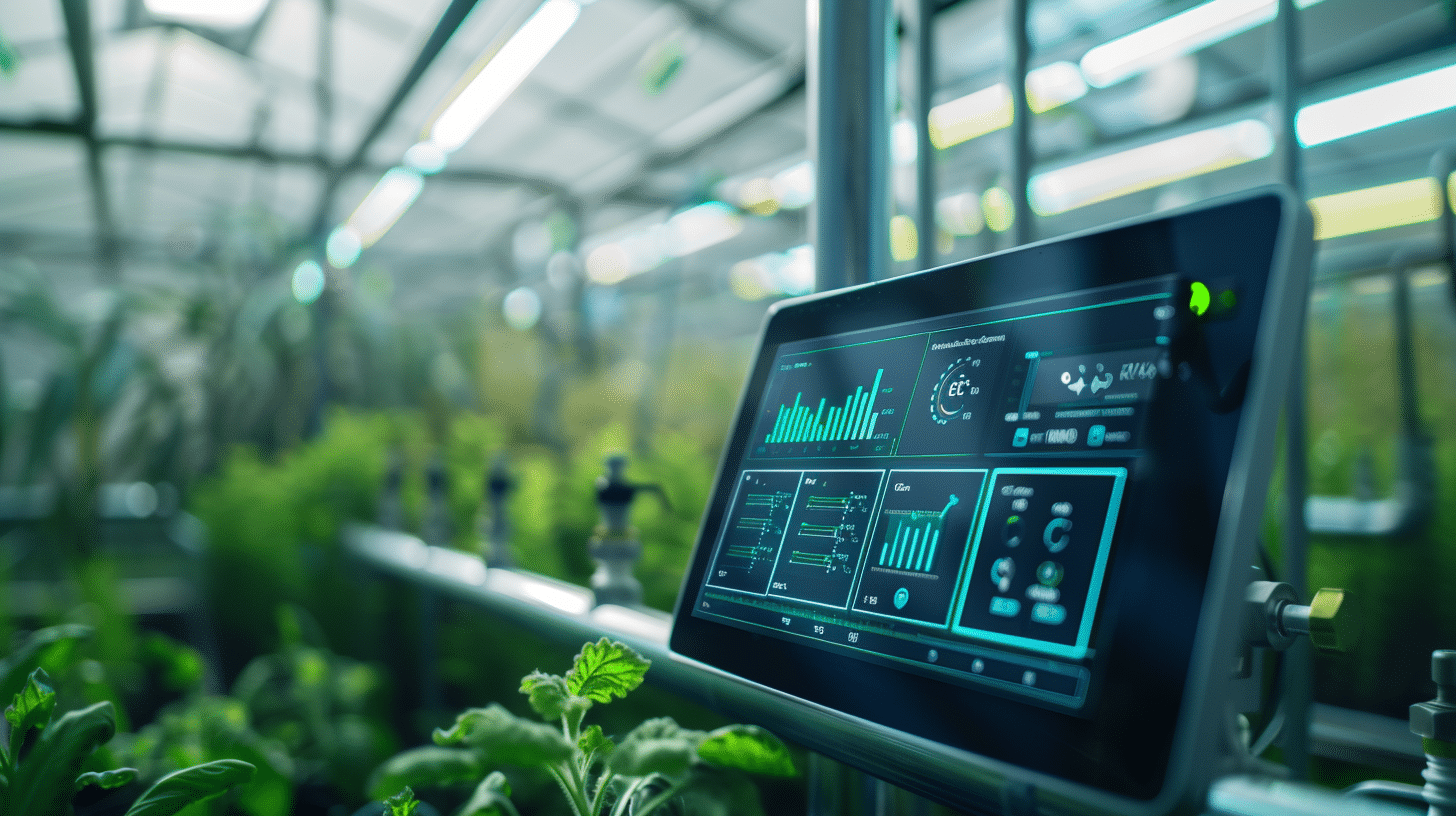
Fertigation delivers exact nutrient amounts per irrigation cycle. Sensors and dosing pumps adjust EC and pH values automatically, ensuring stable crop growth and consistent quality.
2.2 Increased Profit Margins
For large farms, every input saved impacts ROI. Fertigation typically reduces fertilizer consumption by 20–30%, translating to thousands in annual savings.
2.3 Sustainability and Compliance
Reduced runoff supports sustainable farming certifications and ESG compliance, a growing requirement in export markets.
2.4 Scalable Automation
Systems range from small greenhouse setups to 100-hectare installations with digital monitoring. Integrating fertigation supports Haishun’s Smart Fertigation System and Drip Irrigation Tape technologies.
2.5 Better Quality & Yield Consistency
Uniform water and nutrient supply improves fruit size, sweetness, and appearance—especially critical for export crops such as Shine Muscat grapes and Golden Venus apples.
These fertigation benefits directly contribute to higher yield consistency and lower production costs.
3. How to Choose the Right Fertigation System
When evaluating a fertigation investment, decision-makers should consider:
- Crop & Soil: Tailor nutrient formulas to plant needs and soil EC levels.
- Automation Level: Choose PLC-controlled systems with remote monitoring.
- Scale: Select modular units that grow with your operation.
- After-Sales Support: Haishun provides installation guidance, calibration, and spare parts globally.
Contact Haishun’s technical team to design a custom fertigation plan that fits your project goals and budget.
4. Why Partner with Haishun AgriTech
- 13+ years of export expertise in smart agriculture and irrigation technology.
- Complete solutions: fertigation units, sensors, drones, and hydroponic systems.
- Strong global footprint: Middle East, Southeast Asia, Australia, and Africa.
- Brand assurance: “Your Reliable Partner in Smart Agriculture.”
Haishun empowers modern farms to achieve higher profitability with sustainable technologies. Visit our homepage or reach out via info@haishunagri.com.
5. FAQ: Fertigation Benefits Explained
- 1. How does fertigation increase ROI?
- By optimizing input use, reducing waste, and improving yield, fertigation often repays investment within two seasons.
- 2. Is fertigation suitable for all farm sizes?
- Yes—Haishun offers modular units for both small greenhouses and large open-field farms.
- 3. What crops benefit most?
- High-value crops like grapes, tomatoes, and apples respond best due to precise nutrient timing.
- 4. What’s the lifespan of a fertigation system?
- With proper maintenance, systems can last 8–10 years under normal operation.
- 5. Does fertigation require special water quality?
- Clean water with filtration is ideal. Haishun’s systems include EC/pH sensors and filters to prevent clogging.
- 6. Can fertigation support ESG goals?
- Yes. Reduced nutrient runoff and energy use align with sustainable agriculture frameworks (FAO & World Bank).
- 7. How to start?
- Request a consultation at Haishun Contact to receive a tailored solution and ROI projection.