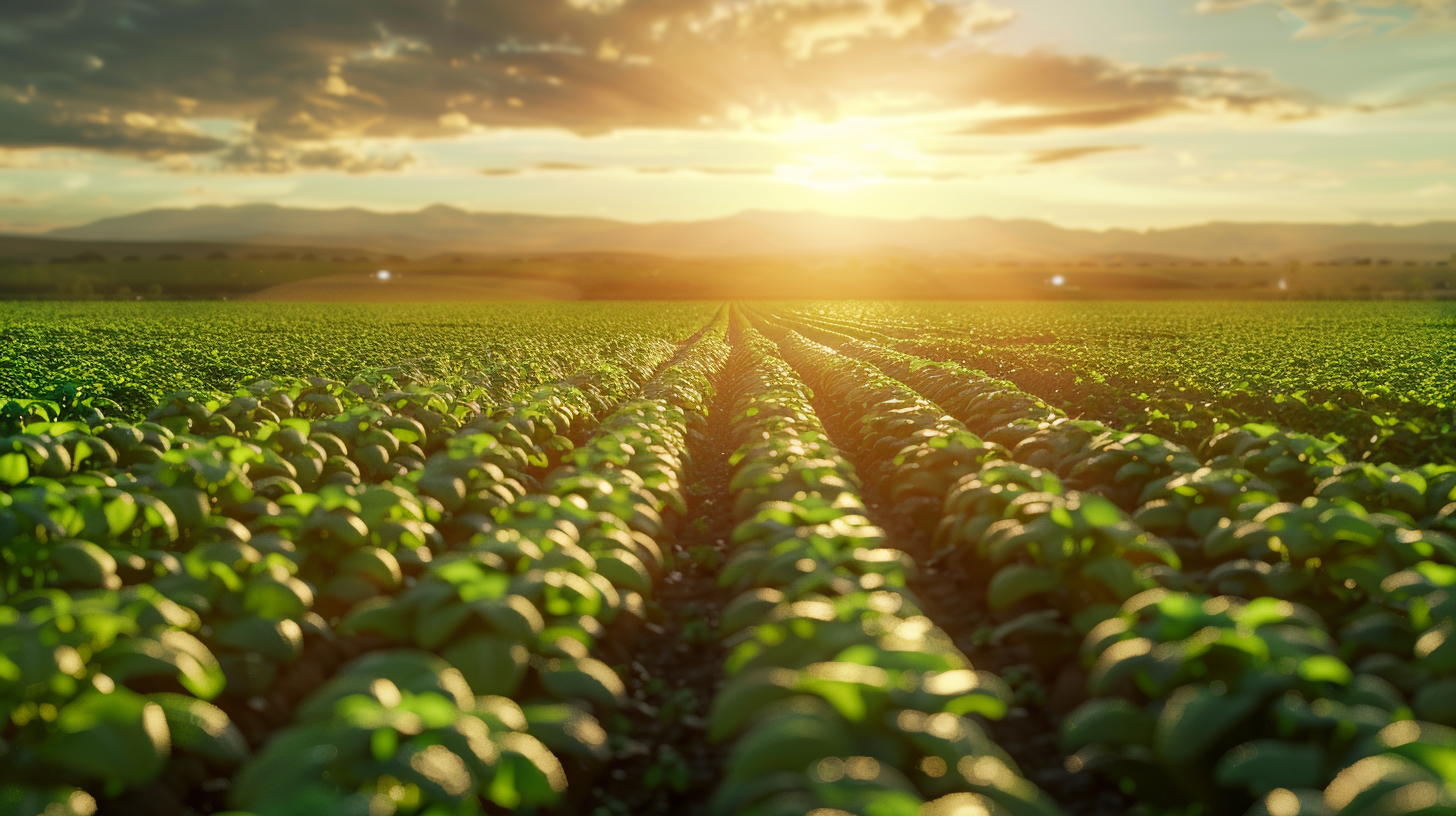
Top 3 Fertigation System Suppliers for Overseas Farms (2026): A Practical Selection Guide
Technical analysis of leading fertigation system suppliers and international deployment benchmarks.
1. The Critical Role of Smart Fertigation in 2026
As we navigate the global agricultural landscape in 2026, overseas projects face an unprecedented combination of constraints. From limited on-site agronomy expertise to the high cost of imported nutrients, the choice of fertigation system suppliers has moved beyond simple procurement to a core strategic decision. Traditional irrigation methods often lead to localized nutrient imbalances, which according to FAO global water management standards, can reduce yields by up to 30% in high-value crops.
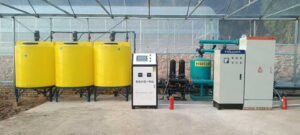
A precision-engineered Smart Fertigation System addresses these issues by automating the injection of fertilizers directly into the irrigation line. By integrating industrial-grade dosing tanks, multi-channel venturi or pump injectors, and high-sensitivity pH/EC probes, growers can maintain a stable root-zone environment regardless of external weather fluctuations. This stability is the primary reason why leading smart agriculture companies now prioritize automation over manual labor.
2. Essential Criteria for Selecting Suppliers
When evaluating international fertigation system suppliers, technical specifications are only half the story. The success of an overseas installation depends on long-term reliability and the supplier’s understanding of local field conditions. It is also vital to ensure the system is paired with high-quality distribution hardware, such as Drip Irrigation Tape, to ensure that the precisely mixed nutrients actually reach every plant uniformly.
- Dosing Accuracy & Stability: The system must feature closed-loop EC setpoints and flow compensation to handle pressure drops across large blocks.
- Sensor Resilience: Probes must be industrial-grade with easy-calibration workflows, especially in regions with high-salinity water sources.
- Remote Telemetry: In 2026, a 4G/5G or LoRaWAN enabled app dashboard is mandatory for real-time monitoring and historical data logging.
- Global Support Infrastructure: Check if the supplier provides multilingual technical manuals and has a proven track record of remote commissioning.
3. The 3 Supplier Archetypes You Should Know
Rather than focusing solely on brands, experienced project managers categorize fertigation system suppliers into three functional archetypes. Each serves a different market segment and crop requirement.
Archetype A: Global OEM Platforms
These suppliers are best suited for massive open-field operations (100ha+). Their systems are built on rigid industrial PLC architectures and offer high durability. While expensive (typically USD 10,000+), they provide the most predictable spare parts pipeline globally.
Archetype B: Protected Cropping Specialists
If you are managing Commercial Hydroponic Systems or high-tech greenhouses, this archetype is the standard. Their software is optimized for crop steering and precise EC/pH fluctuations required for soilless substrate growing.
Archetype C: Modular High-Value Growth Partners
Ideal for mid-sized orchards, vineyards, and specialized vegetable farms. These suppliers focus on cost-effectiveness and rapid deployment. They often offer “plug-and-play” skids that include everything from the pump to the control cabinet, making them perfect for overseas projects with limited technical on-site labor.
4. ROI and TCO Analysis for Overseas Projects
The “Total Cost of Ownership” (TCO) is the most overlooked metric when signing contracts with fertigation system suppliers. A low initial purchase price can quickly be offset by the cost of proprietary replacement probes or high energy consumption. In our 2026 analysis, the ROI of a smart system is typically achieved within 14-18 months through fertilizer savings alone. For more detailed data, refer to technical fertigation benchmarks on Wikipedia.
5. Global Compliance & Safety Protocols
Overseas operations magnify the impact of failure. Top-tier fertigation system suppliers ensure their equipment complies with international chemical handling and backflow prevention standards. This prevents contaminated water from entering the primary source and protects the farm’s legal standing in regulated markets like the EU or Australia.
Ready to Optimize Your 2026 Project?
Don’t leave your nutrient management to chance. Compare technical configurations today.
6. Strategic FAQs for Project Managers
What is the lead time for 2026 fertigation projects?
Most leading suppliers are currently quoting 4-8 weeks for manufacturing, plus shipping. It is advisable to order at least 4 months before your planting window.
Can smart systems integrate with legacy pumps?
Yes, most modern smart fertigation skids are designed to be “inter-operable,” using dry contact relays or Modbus protocols to trigger existing pump stations.