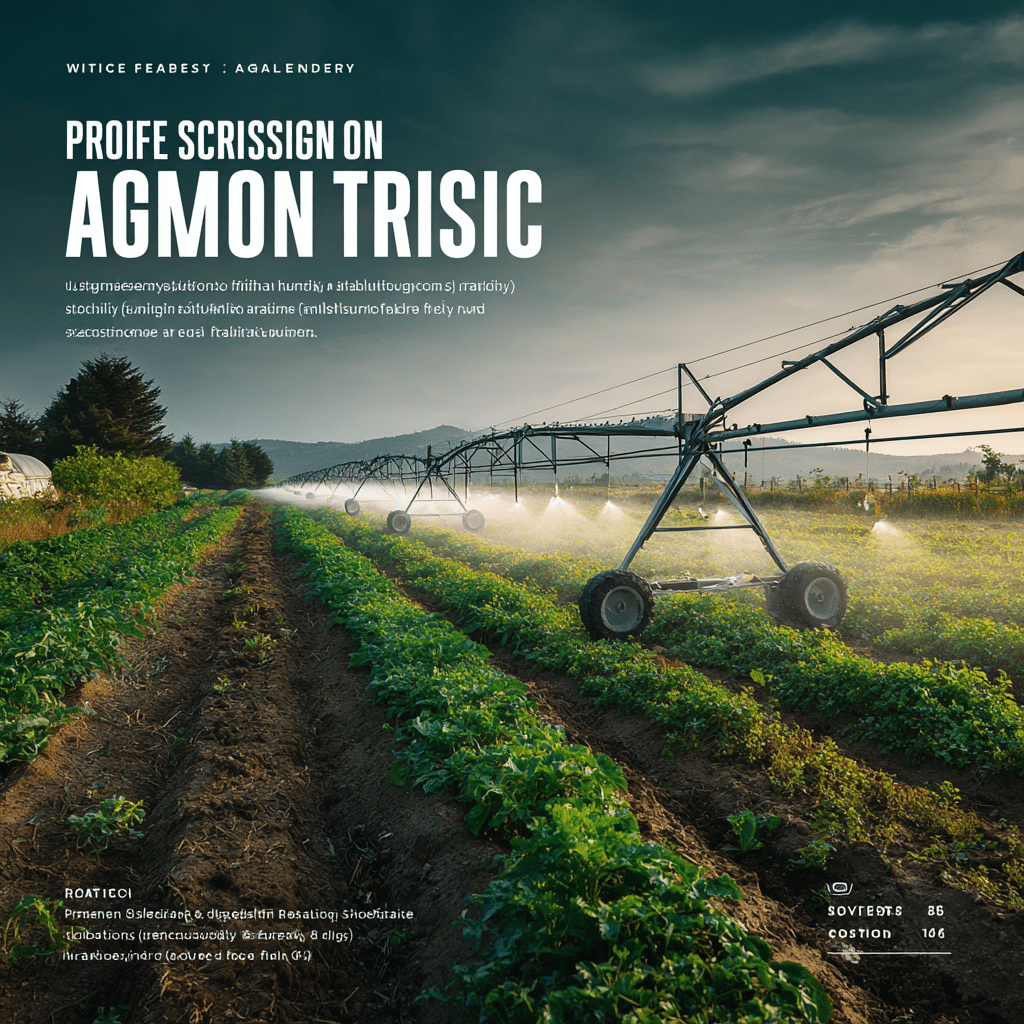
Precision Irrigation System (2025 Guide): Save Water, Boost Yields, Cut Costs
Target keyword: precision irrigation system
Facing rising water bills, inconsistent crop performance, and growing labor pressure? A modern precision irrigation system delivers water (and nutrients, if needed) directly to the root zone,reducing evaporation, runoff, and overwatering—so farms can grow more with less input waste.
Short Excerpt
This guide explains what a precision irrigation system is, how it works, the key components that drive reliability,
and a practical selection checklist to protect ROI—especially in water-scarce regions.
I. Why Precision Irrigation Matters in 2025
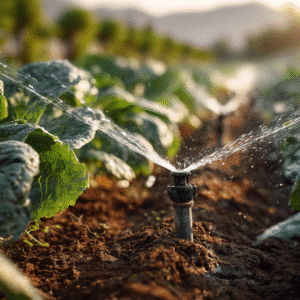
Climate variability, water scarcity, and volatile input prices are pushing farms to upgrade irrigation strategies.
Traditional flood or overhead irrigation often causes uneven wetting, higher evaporation loss, and avoidable runoff.
A precision irrigation system improves control by applying water in small, consistent doses where plants actually need it.
For readers who want a global agriculture sustainability reference, FAO provides broad guidance and resources on water management and irrigation. (FAO reference)
II. What Is a Precision Irrigation System?
A precision irrigation system is a micro-irrigation approach that uses drip laterals (or subsurface drip),filtration, pressure regulation, and (optionally) sensors/controllers to deliver water precisely to the active root zone.
It reduces non-productive water losses (evaporation, runoff, deep percolation) while improving uniform moisture distribution.
| Aspect | Traditional irrigation | Precision irrigation system |
|---|---|---|
| Water application | Surface/overhead, often uneven | Root-zone targeting, highly uniform |
| Efficiency | Lower, higher losses | Higher, less evaporation/runoff |
| Weed pressure | Higher (large wetted area) | Lower (target wetting) |
| Nutrient use | Broadcast, higher leaching risk | Easy to integrate fertigation |
| Labor | More manual operation | Can be automated by zones |
III. How It Works (Step by Step)
Most projects follow a repeatable flow:
- Filtration (disc/screen/media) protects emitters from clogging.
- Pressure regulation stabilizes zone pressure for uniform discharge.
- Main/submain distribution delivers flow to field blocks and greenhouse bays.
- Drip laterals/emitters apply precise flow near each plant root zone.
- Optional automation (timers, controllers, moisture sensors) triggers irrigation by demand.
- Optional fertigation injects nutrients through the same network for higher uptake.
IV. Key Components & Design Options
A reliable precision irrigation system is not “just drip lines”—it is a full hydraulic + maintenance ecosystem.
Key modules to evaluate:
- Pumping & head unit: pump, valves, manifold, controller cabinet.
- Filtration: selection depends on sand, algae, organics, or suspended solids.
- Pipes: HDPE/PVC sized for flow and pressure loss control.
- Drip lines/tapes: wall thickness, emitter spacing, flow rate matched to crop/soil.
- Valves & air release: zone valves, flush valves, air vents for network protection.
- Automation: from basic timers to IoT/remote monitoring.
V. Where It Fits: Farms, Orchards, Greenhouses
A precision irrigation system can be engineered for open field crops, orchards/vineyards, and controlled environments. Practical matching logic:
- Vegetables & berries: short emitter spacing for dense planting.
- Orchards & vineyards: thicker wall, pressure-compensating lines for long rows and slopes.
- Row crops: subsurface drip can reduce evaporation and improve yield stability.
- Greenhouses: zone-based precision supports stable climate and consistent fertigation.
Related solutions:Smart Fertigation System, Drip Irrigation Tape, Contact.
VI. Benefits, ROI & Payback Logic
The best precision irrigation system proposal connects engineering decisions to business outcomes.
Typical benefit buckets:
- Water savings: reduced evaporation/runoff and improved application efficiency.
- Energy savings: less pumping time when scheduling and zoning are optimized.
- Yield consistency: uniform moisture reduces stress swings and quality variance.
- Fertilizer efficiency: stronger uptake when integrated with fertigation.
- Labor reduction: automation cuts manual valve operation and field checks.
Payback depends on crop value, water/energy price, and baseline losses. In many cases, the payback window compresses when the project also upgrades filtration + fertigation control to reduce clogging risk and nutrient waste.
VII. How to Choose the Right System
Selection checklist (procurement-safe):
- Water quality: sand/organics/salinity decide filtration and material specs.
- Crop layout: row spacing + root depth decide emitter spacing and flow.
- Topography: slopes require zoning and pressure-compensating emitters.
- Automation level: manual → timer → sensor → remote/IoT.
- Maintenance plan: flushing, filter cleaning, chemical treatment strategy.
- Expansion: leave capacity for more zones, greenhouses, or additional blocks.
If you prefer a turnkey approach, Haishun can review field layout and irrigation goals, then propose a system bill of materials aligned to ROI targets.
Visit Haishun
VIII. Haishun Solution Options
Haishun supports projects that combine a precision irrigation system with optional smart fertigation, drip lines/tapes, greenhouse integration, and field zoning design. For export projects, solutions can be configured for container shipping and phased deployment.
Need a proposal? Share your farm location, crops, planting area, water source, and target irrigation method.
Contact Haishun to start a technical review.
IX. FAQ
1) What makes a precision irrigation system different from traditional irrigation?
A precision irrigation system applies water at the root zone in controlled doses, reducing waste,
limiting weeds, and improving uniformity compared with flood or overhead methods.
2) How much water can a precision irrigation system save?
Savings vary by climate/soil and the baseline method. In many upgrades, farms see meaningful reductions due to less evaporation and better scheduling.
3) Can a precision irrigation system integrate fertigation?
Yes. Fertigation is a common add-on: nutrients are injected into the irrigation stream and delivered near roots for higher uptake efficiency.
4) Is it suitable for orchards and vineyards?
Yes. With proper zoning and pressure-compensating emitters, a precision irrigation system works well for trees/vines, including sloped blocks.
5) What maintenance is required?
Routine flushing, filter cleaning, and periodic checks for leaks/clogging. A simple maintenance schedule protects uniformity and long-term ROI.