Sustainable Farming Starts with Smart Fertigation Systems
Smart fertigation systems are reshaping sustainable agriculture by delivering water and nutrients together with precision. By sending fertilizer directly through the irrigation network, farmers can improve water-use efficiency, reduce nutrient losses, stabilize yields and minimize environmental impact. This guide explains why smart fertigation matters for eco-conscious farms, what to consider before investing, and how to use these systems to support long-term sustainability.
Whether you manage a large commercial farm or a high-value greenhouse, understanding how smart fertigation systems support water-saving farming is now a key competitive advantage.
I. Introduction: Fertigation Systems and Water-Saving Farming
Fertigation systems deliver fertilizers through the irrigation network instead of applying them manually on the field surface. When combined with drip or micro-sprinkler irrigation, this approach helps farmers apply nutrients precisely where plant roots can use them, at the right time and at the right dosage. As water scarcity and environmental regulations become more pressing, smart fertigation systems are becoming a cornerstone of climate-smart and water-saving agriculture.
| Aspect | Traditional Farming | Fertigation Systems | Data / Support |
|---|---|---|---|
| Water Use Efficiency | Low | High | Studies show up to 50% reduction in water use with fertigation. |
| Fertilizer Use Efficiency | Low | High | Nutrient use efficiency can improve by 30–50% compared to broadcast methods. |
| Environmental Impact | High (runoff, leaching) | Lower (targeted delivery) | Can reduce nutrient runoff by up to 60%. |
| Yields | Variable | More consistent & higher | Reports indicate yield increases of 10–25%. |
Split-screen comparison: traditional fertilizer broadcasting vs. precise smart fertigation systems in a sustainable farming setup.
II. What Are Smart Fertigation Systems?
Smart fertigation systems are advanced solutions that integrate irrigation and fertilizer dosing with sensors, controllers and data analytics. Instead of applying fertilizers manually in the field, the system injects nutrients into the irrigation mainline according to crop demand, soil conditions and weather data. This automation allows farmers to make real-time, data-based decisions that support both productivity and sustainability.
Globally, the fertigation and precision irrigation market is expected to keep growing as more farms adopt water-saving and climate-smart practices. Key growth drivers include:
- Rising pressure on freshwater resources and the need for water-saving technologies.
- Greater awareness of nutrient losses, environmental regulations and groundwater protection.
- Rapid development of low-cost sensors, controllers and farm management software.
- Government and institutional programs promoting efficient irrigation and fertigation.
Organizations such as the Food and Agriculture Organization (FAO) provide guidance on efficient water and nutrient management, underlining how technologies like smart fertigation systems fit into climate-smart agriculture strategies.
Projected growth of smart fertigation systems as farms invest in water-saving and sustainable technologies.
III. How Smart Fertigation Systems Work in Practice
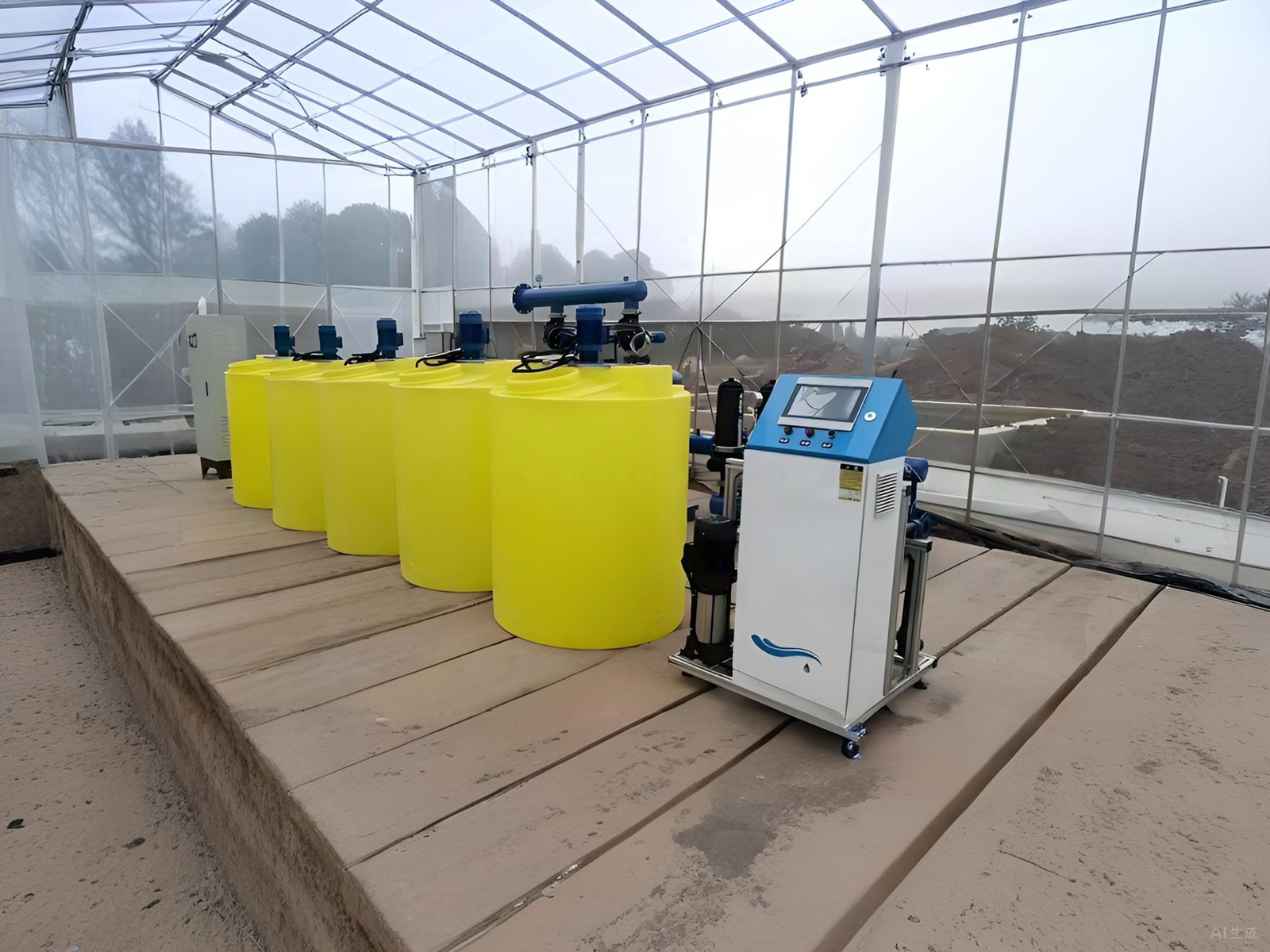
At their core, smart fertigation systems combine precise irrigation control with automated nutrient dosing. A typical setup includes a fertigation head unit (fertilizer tanks, injectors, filters and control valves), sensors in the field and a central controller that manages the entire process.
- Precision nutrient delivery – Nutrients are injected into the irrigation water at carefully calculated doses. They travel through the drip or micro-sprinkler network directly to the root zone, improving nutrient-use efficiency and reducing waste.
- Automated irrigation control – Soil moisture sensors, weather data and crop growth stages inform the controller when to irrigate and how much water to apply. This avoids over-irrigation and supports water-saving farming.
- Remote monitoring and control – Many smart fertigation systems offer mobile apps or web dashboards. Farmers can change irrigation programs, nutrient recipes or timing remotely and receive alerts when something goes wrong.
- Data analytics and reporting – Historical data on water use, fertilizer application and crop performance help refine irrigation strategies, calculate ROI and document sustainability outcomes.

Smart fertigation systems deliver water and nutrients directly to the root zone, improving uptake and minimizing losses.
IV. Smart Fertigation Systems & Water-Saving Farming
Water-saving farming is not only about reducing water volume; it is about delivering exactly what the crop needs at the right time. Smart fertigation systems enable this level of precision in several ways:
1. Precise water control
- Targeted distribution through drip or micro-irrigation networks.
- Automated irrigation cycles based on real-time soil moisture and evapotranspiration data.
- Reduced evaporation and deep percolation losses compared with flood or sprinkler irrigation.
2. Targeted nutrient delivery
- Lower risk of over-fertilization and salt buildup in the soil.
- Improved nutrient uptake efficiency, especially for nitrogen, potassium and micronutrients.
- More uniform nutrient distribution across the field, supporting consistent crop growth.
3. Environmental protection
- Reduced nutrient runoff into rivers and groundwater.
- Better control of leaching in sandy or light soils.
- Support for regulatory compliance and sustainability certification programs.
By combining these advantages, smart fertigation systems help farms move from reactive management to proactive, data-driven, water-saving strategies.
V. Common Problems in Fertigation Projects & Practical Solutions
Even well-designed smart fertigation systems can face challenges during daily operation. The key is to anticipate common issues and build a maintenance plan that prevents downtime.
| Problem | Solution |
|---|---|
| Uneven nutrient distribution | Regularly calibrate the dosing equipment, choose high-quality emitters, flush lines frequently and check for blockages or pressure variations. |
| System malfunctions | Implement a preventive maintenance schedule, protect filters and valves from debris, and train staff to use the controller and basic troubleshooting workflows. |
| High initial investment | Calculate long-term ROI based on water and fertilizer savings, explore subsidies or financing programs, and consider phasing installation by block or crop. |
| Data overload | Focus on a few key indicators (EC, pH, soil moisture, application volume), use user-friendly dashboards and work with agronomists or system suppliers on interpretation. |
VI. How Haishun Supports Smart Fertigation Projects
Selecting the right supplier is just as important as choosing the right equipment. Haishun focuses on smart fertigation systems and integrated water-saving solutions for farms in the Middle East, Southeast Asia, Africa, Latin America and beyond.
- Project-oriented design – Haishun supports farm owners and agronomists from concept to commissioning, helping size the fertigation unit, choose the right filters and match the system to crops and water quality.
- Reliable components & partners – Working with vetted factories and proven components helps ensure consistent performance in demanding field conditions.
- Training and remote support – Haishun provides operation training, basic troubleshooting guidance and remote technical support to keep smart fertigation systems running smoothly.
- Sustainability and ROI focus – Design decisions are made with water saving, fertilizer efficiency and payback time in mind, aligning technology with real-farm economics.
You can explore the dedicated product page here: Haishun Smart Fertigation System .
For farms planning long-term investments in sustainable irrigation, partnering with a supplier that understands both engineering and export logistics can reduce risk and accelerate results.
VII. Conclusion & Recommendations for Eco-Farmers
Smart fertigation systems give farmers a powerful tool to balance productivity with environmental responsibility. By combining precise irrigation, targeted nutrients and data-driven decision making, these systems help reduce water use, cut fertilizer losses and stabilize yields under variable climate conditions.
Practical recommendations for eco-farmers:
- Conduct a farm assessment to understand crops, water sources, soil type and current fertilizer practices.
- Work with experienced partners to design and size your smart fertigation system correctly from the beginning.
- Invest in training and preventive maintenance to avoid common failures and protect your investment.
- Use system data to continuously refine irrigation schedules and nutrient strategies instead of relying on guesswork.
When implemented thoughtfully, smart fertigation is more than a piece of equipment—it becomes a core pillar of sustainable, resilient and profitable farming.
VIII. FAQ: Smart Fertigation Systems & Sustainable Farming
1. How do smart fertigation systems save water?
Smart fertigation systems deliver water directly to the root zone through drip or micro-irrigation and adjust application based on soil moisture and weather data. This reduces evaporation, deep percolation and runoff compared with traditional methods.
2. Are smart fertigation systems suitable for small farms?
Yes. While many large farms use fully automated systems, smaller units can be designed for orchards, greenhouses or high-value crops. The key is to choose a system sized correctly for your field area, water source and budget.
3. What is the typical payback period for smart fertigation systems?
Payback depends on crop value, current water and fertilizer costs and local labor rates. Many farms see payback within a few seasons thanks to water savings, reduced fertilizer use and more stable yields, especially for high-value cash crops.
4. What support do I need to operate a smart fertigation system?
Basic training in system operation, calibration and maintenance is essential. Many suppliers, including Haishun, provide commissioning support, operation manuals and remote assistance to help farm teams operate the system confidently.
Haishun – Your Reliable Partner in Smart Agriculture
Looking to design or upgrade your smart fertigation system for sustainable farming? Haishun helps overseas farms plan, source and implement integrated water- and fertilizer-saving solutions.
🌍 Visit our website to explore smart irrigation and fertigation solutions.
✉️ Contact us via email to discuss your next project.