Sustainable Farming: A Guide to Smart Fertigation Technology
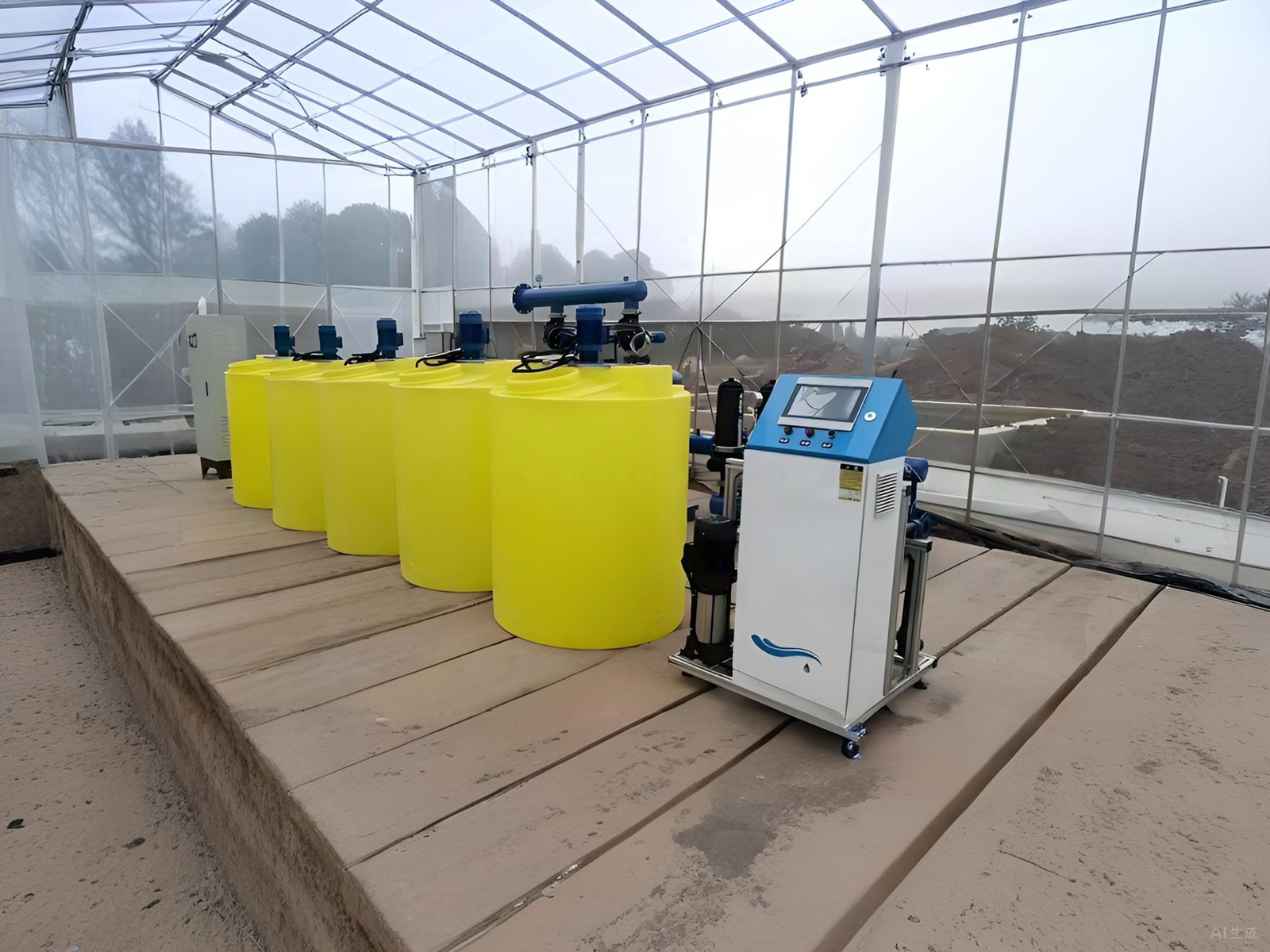
Smart Fertigation is transforming sustainable agriculture by delivering water and nutrients with total precision. By sending liquid fertilizer directly through your irrigation pipes, you can save water and cut nutrient waste. This guide explains why this technology matters for your farm and how it supports long-term profit through Water and Fertilizer Integrated solutions.
Industry Insight: Whether you manage a Commercial Greenhouse or an open orchard, adopting automated nutrient dosing is now a major competitive advantage in water-saving farming.
I. Introduction: Water-Saving Farming
The concept of Smart Fertigation involves delivering fertilizer through your existing irrigation network. It is far more efficient than manual broadcasting. When you utilize high-quality Drip Irrigation Tape, you send nutrients exactly to the active root zone. This minimizes evaporation and ensures that every drop of water counts toward crop growth.
| Key Feature | Traditional Farming | Integrated System |
|---|---|---|
| Water Efficiency | Low (Flood/Surface) | Up to 50% Higher |
| Fertilizer Savings | Low (Runoff) | 30–50% Better Uptake |
| Labor Cost | High (Manual) | Low (Automated) |
II. What Are Smart Fertigation Systems?
These are advanced solutions that unify irrigation and nutrient management. Instead of manual mixing, the equipment injects liquid fertilizers into the main water line based on digital crop data. This allows you to maintain the perfect EC and pH levels, which is essential for a Commercial Hydroponic System where plant sensitivity is high.
Key drivers for this technology include:
- The global push for water-saving farming tools.
- Strict environmental laws protecting groundwater from chemical leaching.
- Support from global bodies like the FAO.

III. How the Integrated System Works
At its core, Smart Fertigation uses automated injectors and field sensors. Here is the operational flow:
- Precision Dosing – Fertilizer is injected at exact ratios to prevent root burn.
- Soil Feedback – Sensors tell the system when to irrigate, stopping over-watering.
- Cloud Control – Most units offer mobile dashboards to manage your farm remotely.
- Maintenance Access – Keeping your field clear with a Remote Control Track Mower ensures easy access to all field valves.

IV. Benefits for Sustainable Agriculture
True sustainability means growing more food with fewer resources. Smart Fertigation makes this possible through targeted nutrient application. It reduces the salt index in the soil and prevents chemicals from entering the water table. This precision is also helpful for large-scale field monitoring using an Agricultural Drone to identify crop health trends.
V. Common Problems & Solutions
| Common Issue | Technical Solution |
|---|---|
| Blocked Emitters | Flush lateral lines and use acid washing for scale. |
| Sensor Drift | Calibrate EC and pH probes monthly using standard solutions. |
| System Offline | Ensure stable power and use remote diagnostic tools. |
VI. How Haishun Supports Your Project
Haishun specialized in Smart Fertigation setups for diverse climates. From Southeast Asian rice fields to Australian orchards, we provide:
- Full Engineering Design – We match the system to your pump pressure and crop type.
- Premium Components – Every valve and filter is tested for durability.
- Global Logistics – Expert shipping to Africa, South America, and beyond.
Explore our full Product Range or check the Haishun Blog for more case studies.
VII. Conclusion & Recommendations
Transitioning to Smart Fertigation is a long-term investment in your farm’s future. It lowers operational costs and increases crop quality. To learn more About Haishun, please reach out to our team today for a custom irrigation assessment.
FAQ
How does Smart Fertigation reduce labor?
It automates the mixing and distribution process, meaning you no longer need staff to manually spread fertilizer across the fields.
Can I use this for greenhouses?
Absolutely. It is the standard for modern greenhouse production to ensure consistent nutrient availability.