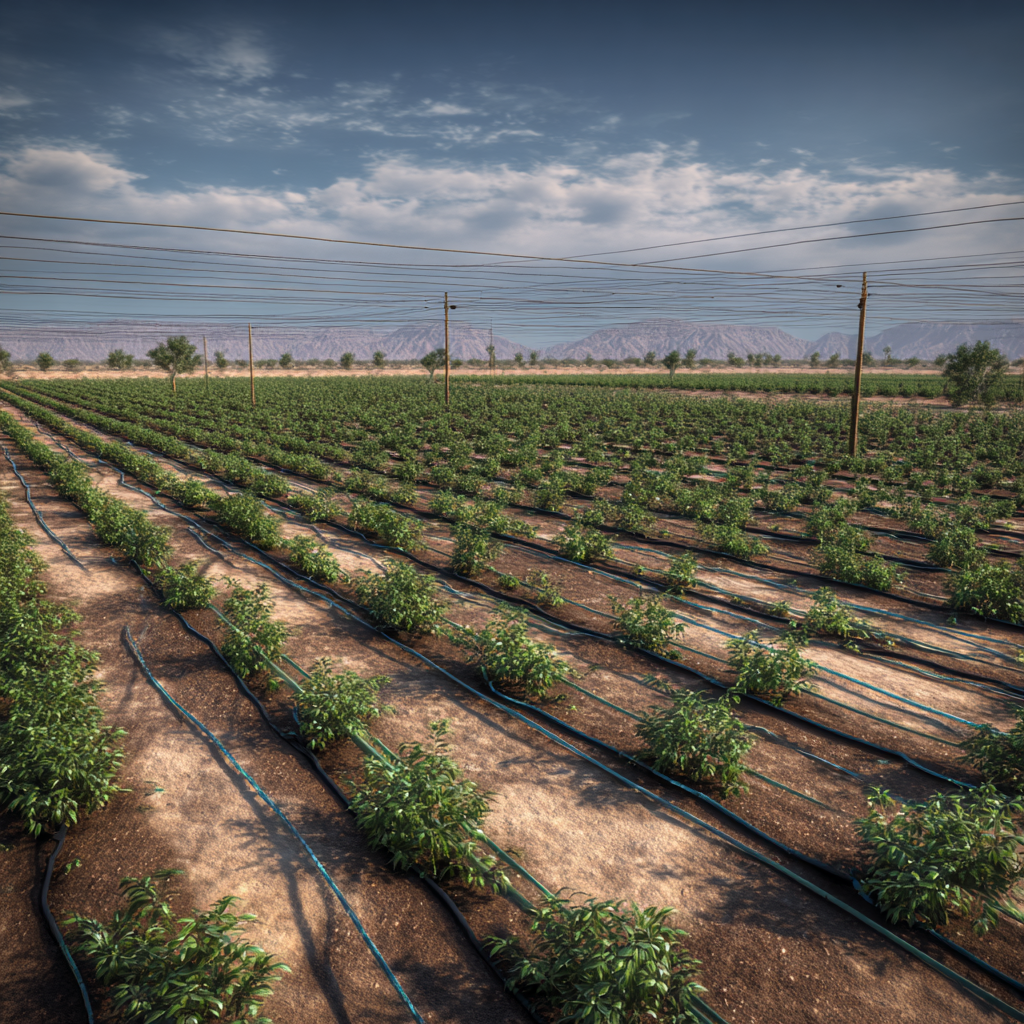
Drip Tape Irrigation: 5 Key Benefits for Sustainable Desert Farming
2025-09-25by Hai Shun
Drip Tape Irrigation: The Key to Sustainable Desert Farming
As Haishun, an expert in irrigation solutions, I’m thrilled to share my insights on a game-changing technique for arid agriculture: drip tape irrigation. In regions where water is scarce, the ability to cultivate crops efficiently is not just a matter of economic importance but a necessity for survival. Drip tape irrigation stands out as a sustainable method, delivering water directly to the roots of plants and revolutionizing desert farming. Learn more about us and our sustainable irrigation solutions here.
Table of Contents
- What is Drip Tape Irrigation?
- Key Advantages of Drip Tape in Desert Farming
- Drip Tape Irrigation in Modern Desert Agriculture
- Challenges and Considerations
- Conclusion: The Future of Desert Farming
What is Drip Tape Irrigation?
Drip tape irrigation involves using thin, flexible tubes with pre-installed emitters. These emitters release water slowly and precisely along the planting rows, ensuring minimal water wastage. This method is particularly beneficial in desert environments where water conservation is paramount. According to research, drip tape systems can achieve up to 90% water efficiency, a significant improvement over traditional irrigation methods. FAO
Key Advantages of Drip Tape in Desert Farming
The advantages of drip tape irrigation extend beyond just water conservation. Let’s explore some of the key benefits:
Water Conservation: A Must-Have in Arid Regions
Water scarcity is a defining challenge in desert environments. Drip tape irrigation addresses this by delivering water directly to the plant roots, minimizing evaporation and runoff. Studies show that drip tape can save 30–50% more water compared to sprinkler systems.
Enhanced Plant Growth
Consistent and targeted moisture supply promotes healthier plant growth. Drip tape reduces plant stress, improves seed germination, and supports robust crop development. The precise control over water delivery ensures that plants receive the optimal amount of moisture, leading to higher yields and better quality crops.
Weed and Disease Control
By keeping the surrounding soil drier, drip tape irrigation inhibits weed growth and reduces the spread of soil-borne diseases. This targeted approach minimizes the conditions that favor weeds and fungal infections, leading to healthier crops and reduced need for herbicides and pesticides.
Labor and Energy Efficiency
Drip tape systems are often automatable with timers, reducing the need for manual labor. They also operate at lower pressure than sprinkler systems, saving on energy costs. These efficiencies make drip tape an economically viable option for large-scale desert farming operations.
Versatility in Application
Drip tape can be adapted to various planting configurations, including row crops, containers, and irregularly shaped fields. This versatility makes it a suitable irrigation solution for diverse desert farming setups. Whether you’re growing vegetables, fruits, or other crops, drip tape can be customized to meet your specific needs.
Fertigation Capability
Fertilizers can be applied directly through the drip tape, ensuring that nutrients reach the root zone with minimal waste. This targeted delivery is especially crucial in resource-scarce desert regions where efficient fertilizer use is essential for maximizing crop yields.
Drip Tape Irrigation in Modern Desert Agriculture
Modern desert agriculture in regions like Israel, California’s Imperial Valley, and parts of Australia relies heavily on drip irrigation systems. These systems support intensive food production in areas where rainfall is limited and groundwater resources are scarce. Drip tape allows these regions to grow high-value crops sustainably, demonstrating the transformative potential of this irrigation method.
Challenges and Considerations
While drip tape is robust, it requires careful management of water pressure and protection from potential damage by animals. Farmers in extremely dry areas need to take extra precautions to ensure the system’s longevity and efficiency. Regular monitoring and maintenance are essential for optimal performance.
Conclusion: The Future of Desert Farming
In conclusion, drip tape irrigation is fundamental for modern desert farming, enabling sustainable crop production with minimal water input. As global water scarcity increases, the importance of efficient irrigation methods like drip tape will only grow.
At Haishun, we are dedicated to providing innovative and reliable drip tape solutions tailored for desert farming. Our products are designed to maximize water efficiency, enhance plant growth, and reduce operational costs. Explore our range of drip tape systems and discover how we can help you achieve sustainable and profitable desert agriculture. Visit our products page for more information.
Frequently Asked Questions
- What types of terrain is drip tape irrigation suitable for?
Drip tape irrigation is especially effective in arid or water-scarce regions, particularly in desert farming. It is suitable for a wide range of crops, including vegetables, fruits, and other agricultural plants. - How does drip tape irrigation improve water efficiency?
Drip tape irrigation delivers water directly to the plant roots, minimizing evaporation and surface runoff. The water is precisely delivered where it is needed, improving overall water efficiency. - What maintenance is required for a drip tape irrigation system?
Drip tape systems require regular checks, especially for clogs in the pipes and proper functioning of emitters. A full system inspection is typically recommended every six months to ensure optimal performance. - How does drip tape irrigation help improve crop yields?
By providing precise water management, drip tape reduces plant stress and promotes healthier growth. Consistent water supply improves seed germination, plant growth speed, and ultimately, crop yields. - Is drip tape irrigation suitable for all types of crops?
Drip tape systems are highly versatile and can be adjusted to meet the specific water needs of various crops. It is particularly effective in environments with limited space or water resources.