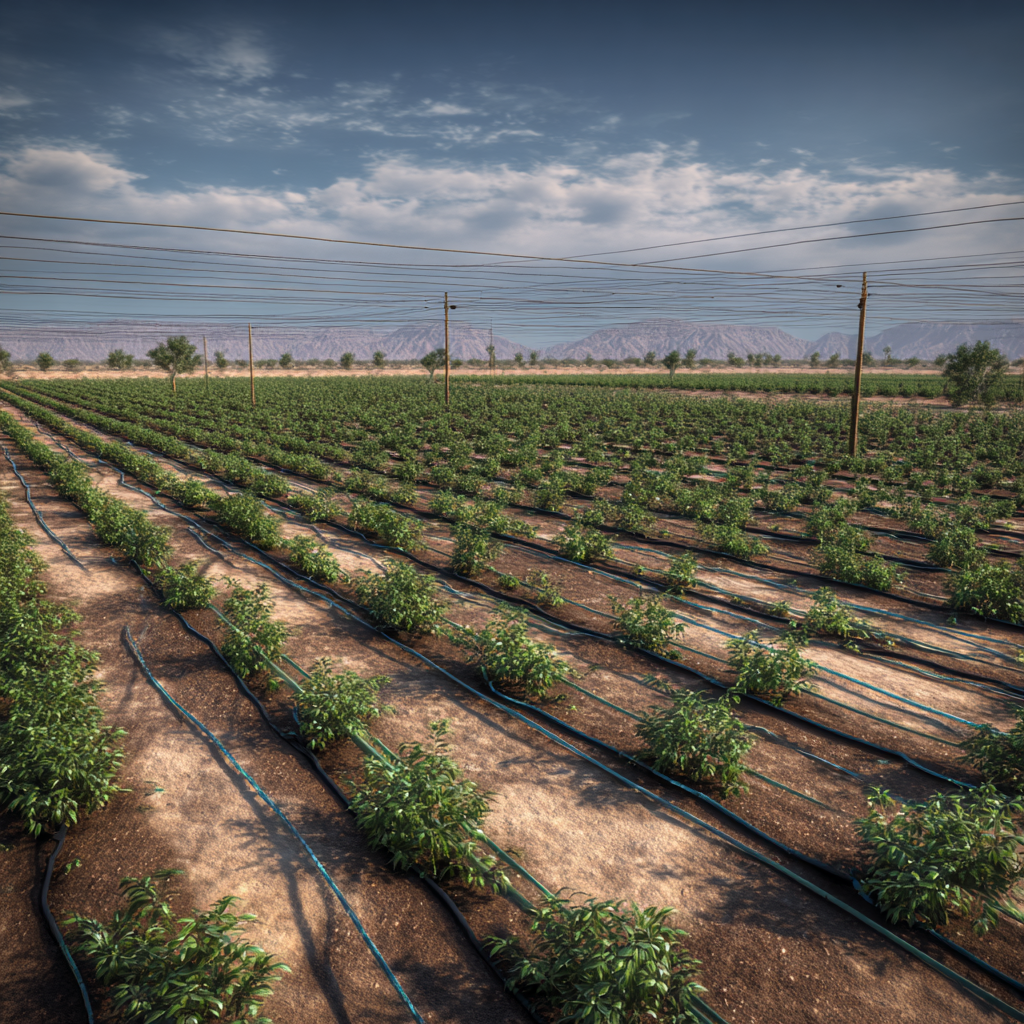
Drip Tape Irrigation: The Key to Sustainable Desert Farming
As an expert in irrigation solutions, Haishun is thrilled to share insights on a game-changing technique for arid agriculture: Drip Tape Irrigation. In regions where water is scarce, efficient cultivation is a necessity for survival. Drip tape systems revolutionize desert farming by delivering water directly to the plant roots, minimizing waste and maximizing yield.
Learn more about our mission for sustainable irrigation solutions and how we support farmers worldwide in achieving higher profitability.
Table of Contents
I. What is Drip Tape Irrigation?
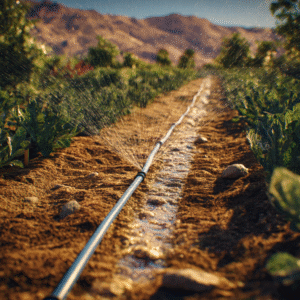
Drip Tape Irrigation involves using thin-walled, flexible tubing with integrated emitters. These emitters release water slowly and precisely along planting rows, creating a “wetted zone” around the roots. According to the FAO (Food and Agriculture Organization), drip technology can reach 90-95% efficiency, compared to just 50% for traditional flood methods.
For commercial growers, selecting the right Drip Irrigation Tape is the foundation of the entire system. Quality tape must withstand high UV exposure and fluctuating temperatures typical of desert climates.
II. Technical Specifications for Desert Success
Not all drip tapes are created equal. In desert farming, specific technical parameters dictate the success of the harvest:
- Wall Thickness: Thicker tapes (8 mil to 15 mil) are preferred for multi-season use or where rocky soil might cause punctures.
- Emitter Spacing: For sandy desert soils, closer spacing (10cm – 20cm) ensures lateral water movement before gravity pulls water too deep into the sand.
- Flow Rate: Low-flow emitters are ideal for desert regions to prevent ponding and allow the soil to absorb moisture gradually.
You can explore our full range of Drip Tape Specifications to find the perfect fit for your specific crop and terrain requirements.
III. Key Advantages of Drip Tape in Desert Environments
| Strategic Benefit | Detailed Impact |
|---|---|
| Salinity Management | Regular drip pulses push salts away from the root zone. |
| Fertigation Precision | Nutrients are delivered via water, saving 40% on fertilizer costs. |
| Energy Efficiency | Low-pressure operation reduces pumping fuel/power costs. |
Furthermore, by integrating a Smart Fertigation System, fertilizers are dissolved and distributed through the tape emitters, preventing nutrient leaching into sandy sub-soils. This targeted approach is a core part of modern sustainable agriculture.
IV. Drip Tape in Modern Global Agriculture
From the Outbacks of Australia to the plains of North Africa, drip tape irrigation has transformed unproductive land into lush orchards. As highlighted by the Global Water Partnership, integrated water management is the primary defense against global food insecurity.
Farmers are now combining these systems with Agricultural Drones for thermal mapping. This allows them to see if a specific row of Irrigation Tape is underperforming before the crop shows signs of stress.
V. Maintenance and System Longevity
Desert environments are harsh. Sand storms and wildlife can damage infrastructure. To ensure your Drip Irrigation Tape lasts as long as possible, follow these guidelines:
- Proper Filtration: Sand and silt must be filtered out before water enters the tape to prevent emitter clogging.
- Flushing: Regularly flush the main lines and lateral tapes to remove biological buildup.
- Mechanical Protection: Keep weeds managed around valves using a Remote Control Track Mower to reduce the habitat for pests that might chew through the tape.
Frequently Asked Questions
What is the ROI of installing drip tape in desert regions?
Most commercial farms recover the investment within 1.5 to 2 seasons through reduced water costs and 20% higher crop yields.
Can drip tape handle irregularly shaped fields?
Yes, it is highly adaptable to row lengths and field shapes, making it more versatile than pivot systems or Hydroponic Systems.
Need a custom field design? Visit our Product Catalog or Contact Haishun Experts for a free consultation.