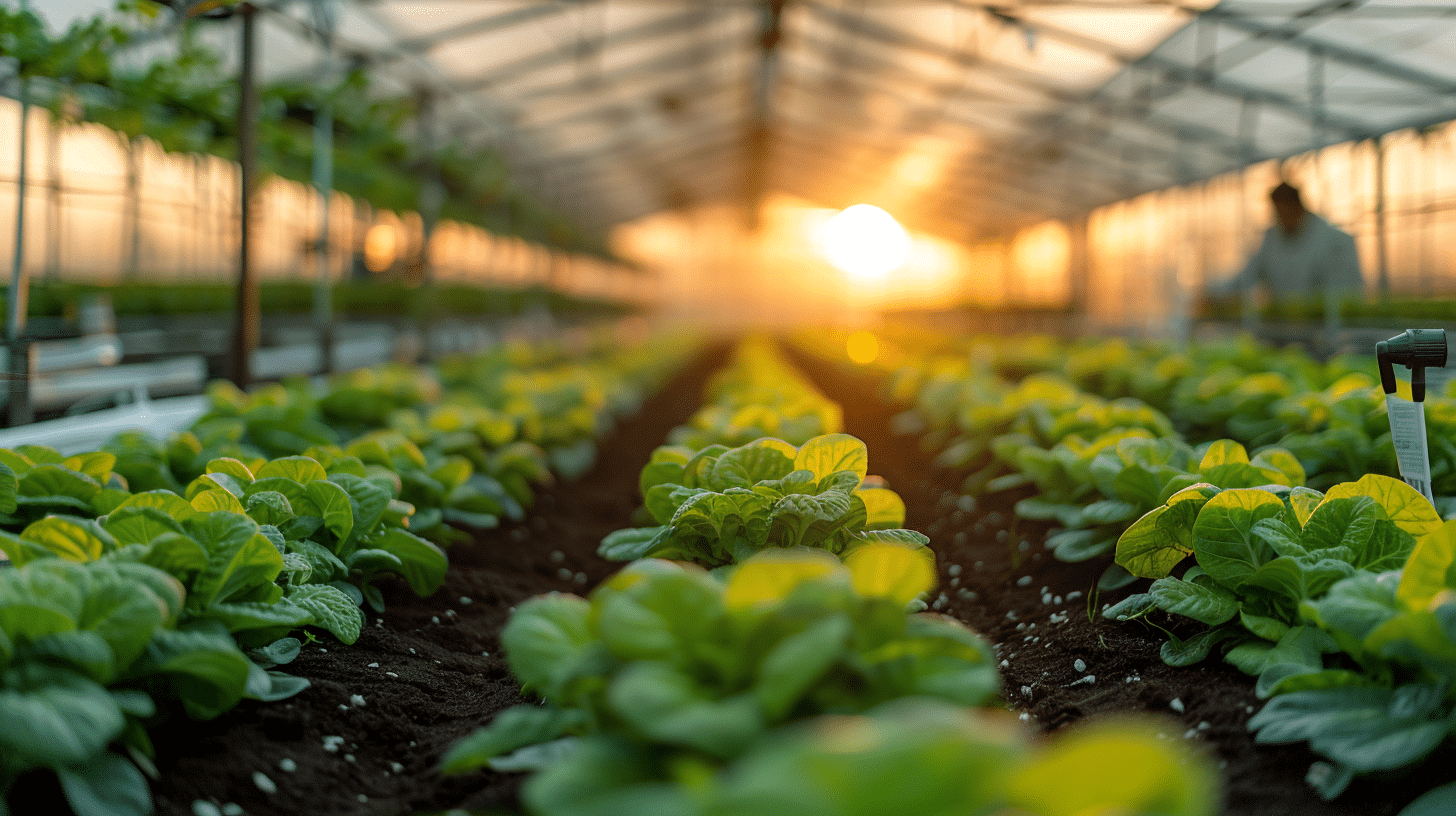
Drip Tape Fertigation System: Smart Farming Guide by Haishun
Drip tape fertigation system is one of the most practical smart-farming tools for cutting input costs while improving yield and quality. By injecting dissolved fertilizers into the irrigation mainline and delivering them through drip tape irrigation, farms can save water and fertilizer while building more uniform, resilient crop stands.
This guide explains how Haishun designs, calibrates, and maintains drip tape fertigation systems that deliver measurable results with transparent ROI for both open-field and greenhouse operations.
Table of Contents
I. Introduction: Why Drip Tape Fertigation?
Fertigation—delivering nutrients through irrigation water—is a cornerstone of modern precision irrigation. When combined with drip tape irrigation, it becomes a drip tape fertigation system that delivers water and nutrients directly to the root zone, where crops can use them most efficiently.
Compared with surface broadcasting or flood irrigation, growers typically see tighter control over application rates, less runoff, and more uniform crop performance. For a broader overview of smart fertigation concepts, you can also review Haishun’s Smart Fertigation System Guide .
II. What Is a Drip Tape Fertigation System?
A drip tape fertigation system injects dissolved fertilizers into the irrigation mainline and distributes them via low-flow emitters embedded in drip tape. This ensures a steady supply of water and nutrients to the active root zone, matching crop demand across growth stages.
Drip tape can be laid on the soil surface, under plastic mulch, or shallow subsurface. Flow rate, emitter spacing, and zone layout are all matched to crop type, soil texture, and field length to maintain even pressure and uniformity.
III. 7 Key Benefits for Smart Farming
- 1. Precision delivery: Emitters meter low flows at the root zone, limiting evaporation and runoff.
- 2. Higher nutrient-use efficiency: Nutrients arrive with water when crops actually need them.
- 3. Better uniformity: Consistent spacing and flow keep wetting patterns even along rows.
- 4. Flexible for multiple crops: Works in open fields, greenhouses, plastic mulch, and orchards.
- 5. Lower labor demand: Automated dosing replaces manual mixing and broadcasting.
- 6. Reduced environmental losses: Less leaching and runoff compared with surface broadcast fertilizer.
- 7. Clear ROI tracking: Flow meters and fertigation logs make savings and yield gains traceable season by season.
University extension research consistently reports water savings of 20–40% and fertilizer savings of 15–35% when drip irrigation and fertigation are properly managed, while marketable yield can increase by 10–30% depending on crop and climate.
IV. System Architecture: From Pump to Plant
Core Components
- Filtration & protection: Sand or media filters plus screen filters sized to peak flow; pressure regulators safeguard drip tape and valves.
- Injection & mixing: Venturi or proportional pumps with anti-siphon and backflow protection, plus agitation for homogenous stock solutions.
- Distribution network: Mainline → submains → laterals (drip tape) with air valves and flush points to maintain system hygiene.
- Sensing & control: Soil-moisture probes, inline EC/pH, pressure gauges, and automated scheduling tied to crop stage and climate.
Typical Outcome Ranges
| Indicator | Conventional | With Drip Tape Fertigation System |
|---|---|---|
| Water use | Baseline | ↓ 20–40% |
| Fertilizer use | Baseline | ↓ 15–35% |
| Marketable yield | Baseline | ↑ 10–30% |
| Labor for fertigation | Manual mixing & broadcasting | Automated dosing & scheduling |
Note: Ranges are indicative; actual results depend on crop, soil, climate, water quality, and management.
V. Design & Commissioning with Haishun
Haishun provides end-to-end design, bill of materials, and commissioning support for drip tape fertigation systems. Engineers size emitters to crop ETc, match injector capacity to peak flow, and specify filters based on water-quality analysis.
- Hydraulic design: Pressure checks, zone layout, and pipe sizing to maintain even discharge along laterals.
- Start-up protocol: Flushing procedures, fertigation recipes by growth stage, and EC/pH set-points.
- Monitoring tools: Real-time dashboards for EC, pH, pressure, and soil moisture.
- Traceability: Batch logs and fertigation records for audits and continuous improvement.
To explore a complete solution, visit our Haishun Fertigation System Solution page or contact us to model flow, pressure, and nutrient plans around your crop calendar.
VI. Operation, Hygiene & Safety
Protecting the drip tape fertigation system starts with clean water and disciplined maintenance.Keep filters in good condition, flush lines regularly, and test EC and pH before and during injection.
- Filtration & flushing: Follow a schedule for filter backwashing and line flushing, especially with sediment-rich water.
- Calibration: Verify injector output against a graduated cylinder and adjust settings per fertilizer label.
- Backflow prevention: Install and periodically inspect check valves in line with local regulations.
- Chemical safety: Train staff on PPE, storage, and mixing procedures for acids and fertilizers.
For broader irrigation water-management principles, FAO’s resources provide helpful background (FAO Water).
VII. FAQ: Drip Tape Fertigation System
1. Is a drip tape fertigation system only for vegetables?
No. While vegetable production is a common use case, drip tape fertigation is also used in berries,
row crops, nurseries, and some orchard blocks where tape can be placed along the tree row.
2. How often should I flush lines and clean filters?
As a starting point, inspect filters weekly and flush lines every 1–2 weeks. In systems with poor
water quality or long laterals, more frequent flushing is recommended—especially during peak season.
3. What information does Haishun need to design my system?
Key inputs include crop type, planting layout, available water source and analysis, field dimensions,
desired automation level, and budget. With this, Haishun can size a drip tape fertigation system and
provide a clear bill of materials and ROI estimate.