
Smart Fertigation System Guide: Precision Irrigation for Large Farms
Large-scale farms must grow more while using less water and fertilizer. This smart fertigation system guide shows how to turn irrigation into a data-driven process. By automating nutrient delivery, commercial farm owners can improve both profits and sustainability.
We designed this smart fertigation system guide for agronomists and investors. It provides practical steps to choose and implement the right technology. If you are new to this field, start by visiting our Home page to see our full range of smart solutions.
Table of Contents
I. Introduction: Why Automate Irrigation?

On most large farms, watering and fertilizing are separate tasks. This leads to waste. According to data from the FAO Water Management Division, integrated systems can boost nutrient efficiency by 40%. An automated Smart Fertigation System delivers these nutrients directly to the root zone via Drip Irrigation Tape.
| Factor | Traditional Method | Precision Fertigation |
|---|---|---|
| Control | Manual / Timers | Sensor-driven |
| Nutrients | Broadcast (Low Uptake) | Targeted (High Uptake) |
| Labor Cost | Very High | Significantly Lower |
II. Core Functionality and Automation
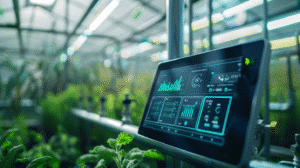
The value of this technology lies in real-time data. As highlighted by the World Water Council, digitalization is vital for future food security. Our system offers:
- Smart Monitoring: Track soil moisture, EC, and pH levels 24/7.
- Auto-Scheduling: Irrigation starts based on soil needs.
- Remote Access: Manage your farm via any PC or Mobile.
III. Choosing the Right System
Selecting the right hardware is a key part of this smart fertigation system guide. You should look for:
- Farm Size: Match the pump station to your total acreage.
- Crop Needs: Systems for Commercial Greenhouses require higher precision than open orchards.
- Hydroponics: Specialized Commercial Hydroponic Systems need sensitive EC/pH control.
IV. Implementation Steps
Implementation requires five phases: Assessment, Design, Installation, Calibration, and Training. Once active, managing weeds around infrastructure becomes simple with a Remote Control Track Mower, ensuring sensors stay unobstructed.
For more technical tips, visit our Blog.
V. Solving Common Operational Issues
1. Blocked Emitters
Check your filtration and use high-quality water-soluble fertilizers.
2. Sensor Drift
Recalibrate your pH and EC probes monthly for maximum accuracy.
In summary, this smart fertigation system guide emphasizes that precision is the foundation of profit. To request a preliminary design or talk to our team, please head to our Contact page. Our experts will help you select the best Agricultural Equipment for your project.