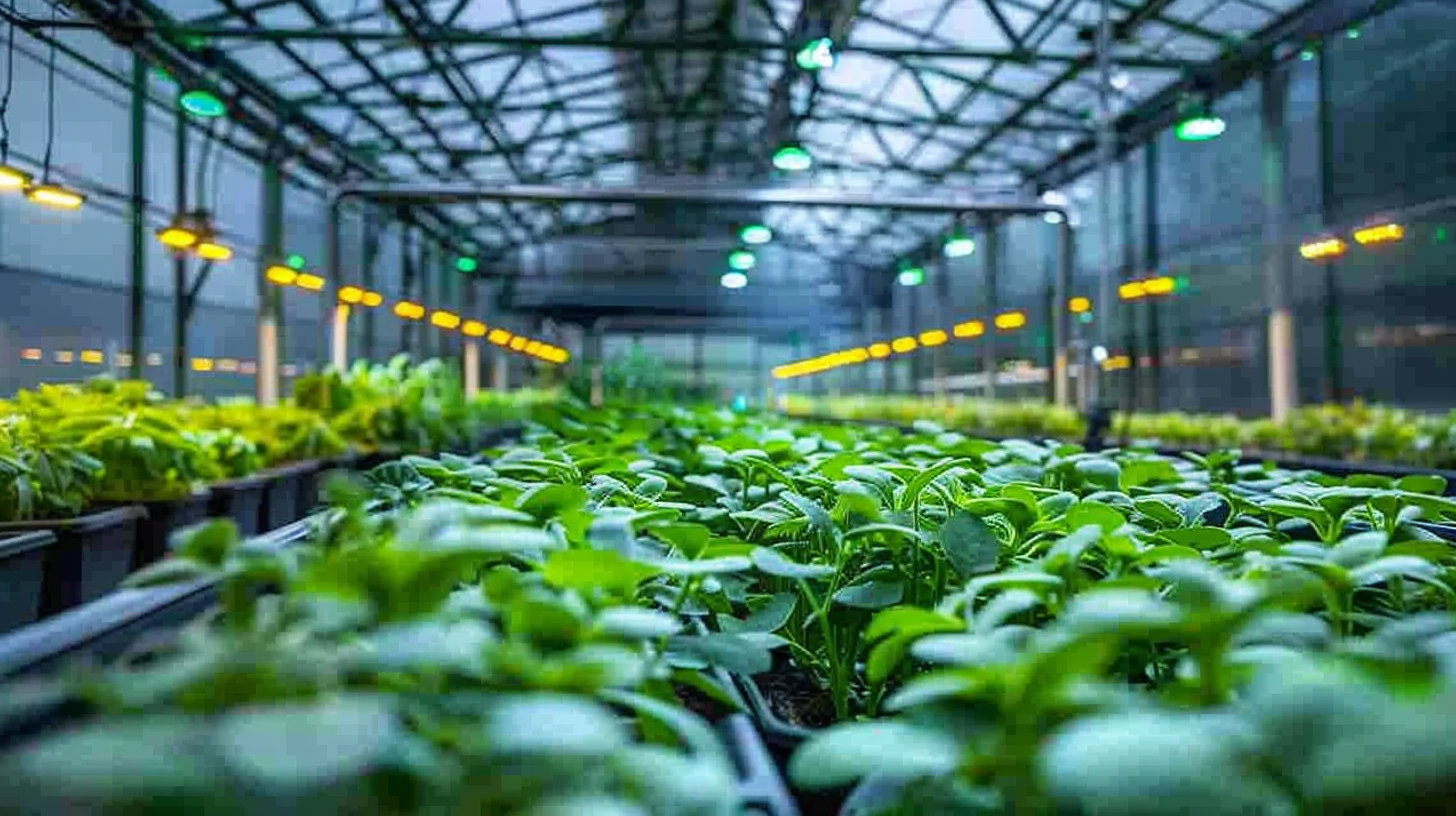
Fertigation Revolution
Why Leading Commercial Farms Are Switching to Smart Dosing Systems
I. Introduction: The Global Shift Toward Precision Agriculture
In 2026, the agricultural landscape is facing unprecedented challenges—from extreme weather patterns to severe water scarcity. To combat these pressures, professional growers are moving away from traditional broadcasting toward the Fertigation Revolution. This methodology involves injecting essential nutrients directly into the water stream, ensuring that every plant receives exactly what it needs, precisely when it needs it.
According to the Food and Agriculture Organization (FAO), improving irrigation efficiency is a global priority to secure food supplies. Furthermore, data from the World Bank’s Climate-Smart Agriculture (CSA) framework highlights that smart fertigation can reduce fertilizer waste by up to 40% while increasing crop resilience against heat stress.
II. Fertigation Revolution vs. Traditional Methods
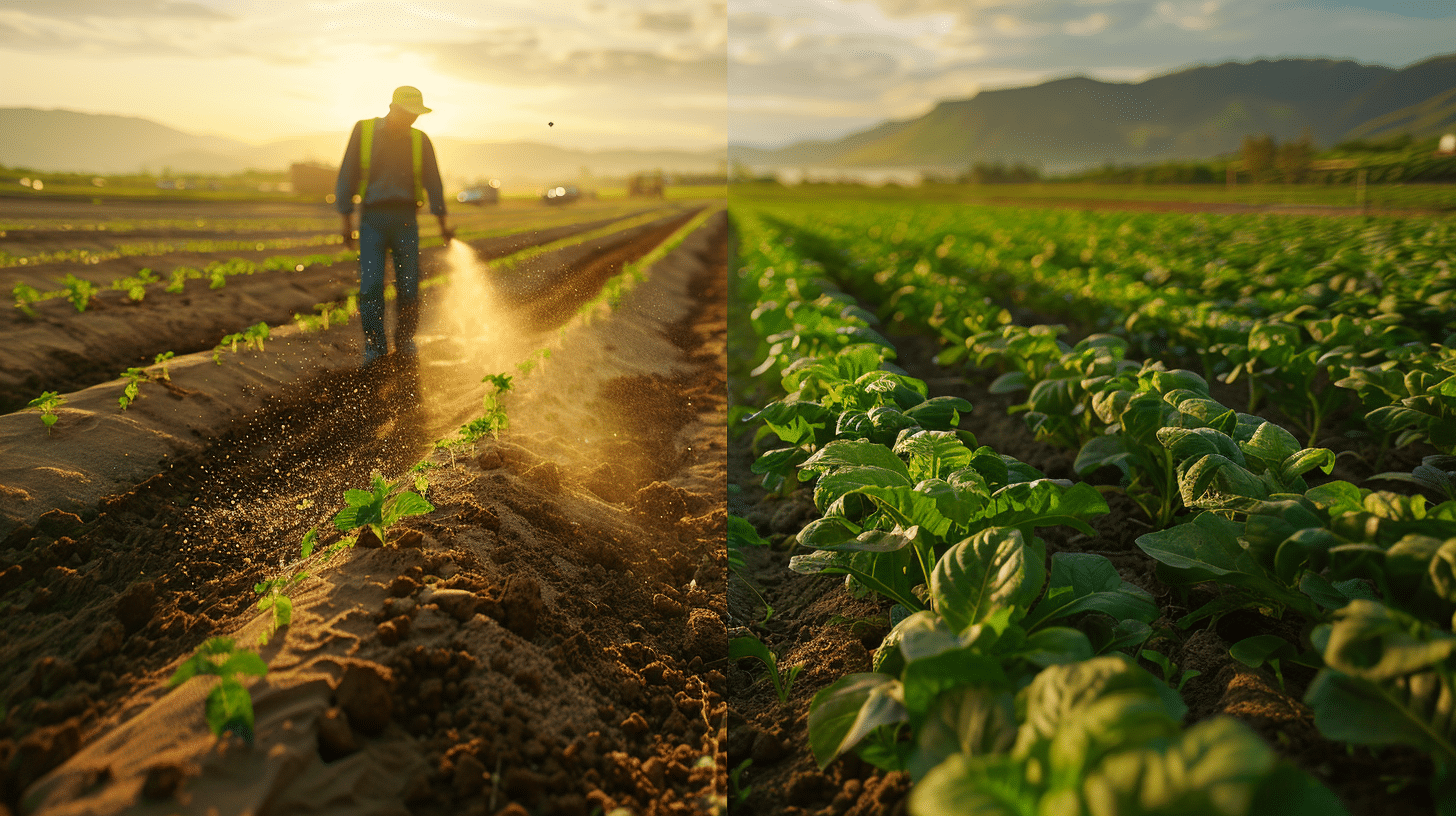
Traditional fertilization often relies on “blanket applications”—spreading granular fertilizer over large areas. This often results in nutrient leaching, where fertilizers wash away into the groundwater, causing environmental damage and financial loss. The Fertigation Revolution replaces this with synchronized dosing.
- Water-Use Efficiency: By pairing professional-grade drip irrigation tape with automated controls, water consumption can be lowered by 30-50%.
- Nutrient Precision: Instead of one-time applications, nutrients are delivered in micro-doses throughout the growing cycle, matching the crop’s specific phenological stages.
- Labor Savings: Automation eliminates the need for manual spreading or tractor passes, allowing growers to manage hundreds of hectares from a single dashboard.
III. Core Technology: How Smart Systems Function
A Smart Fertigation System is an integrated solution that utilizes IoT (Internet of Things) to bridge the gap between sensors and action. This is the heart of modern sustainable farming.
Key technological components include:
- Multi-Channel Injection: Allows for the simultaneous injection of different nutrient blends (N-P-K) and acid for pH adjustment without manual mixing.
- EC/pH Monitoring: Continuous real-time measurement ensures that the nutrient solution remains within the safe “Goldilocks zone” for delicate crops like blueberries or Shine Muscat Grapes.
- Automated Weather Integration: Systems can automatically adjust irrigation frequency based on evapotranspiration (ET) data from local weather stations.
IV. Economic Analysis & Return on Investment (ROI)
While the initial cost of a smart system is higher than manual valves, the Return on Investment (ROI) is typically achieved within 18 to 24 months. This is driven by three factors: reduced chemical input costs, significant labor reduction, and a measurable increase in marketable yield quality.
For large-scale projects in Southeast Asia or Africa, where input costs are rising, the ability to save 30% on liquid fertilizer costs alone can justify the system’s capital expenditure within the first two seasons.
V. Haishun’s Customized Turnkey Solutions
At Haishun, our altruistic business philosophy means we succeed only when our clients succeed. We provide complete engineering for Commercial Hydroponic Systems and soil-based farm projects globally.
Our Comprehensive Range Includes:
- Modular smart fertigation units for multi-span greenhouses.
- Precision Drip Irrigation Solutions for orchards and open fields.
- Post-sale technical training to ensure your team can operate the system at peak efficiency.
Learn more about our Mission for Sustainable Smart Agriculture.
VI. Frequently Asked Questions (FAQ)
Can I use organic fertilizers in a smart fertigation system?
Yes, provided the organic fertilizers are fully water-soluble and filtered. We recommend professional-grade liquid organics to prevent clogging in the drip emitters.
What is the typical lifespan of the equipment?
With regular maintenance and proper filtration, Haishun’s smart controllers and injection systems are designed for a 10-15 year operational lifespan.