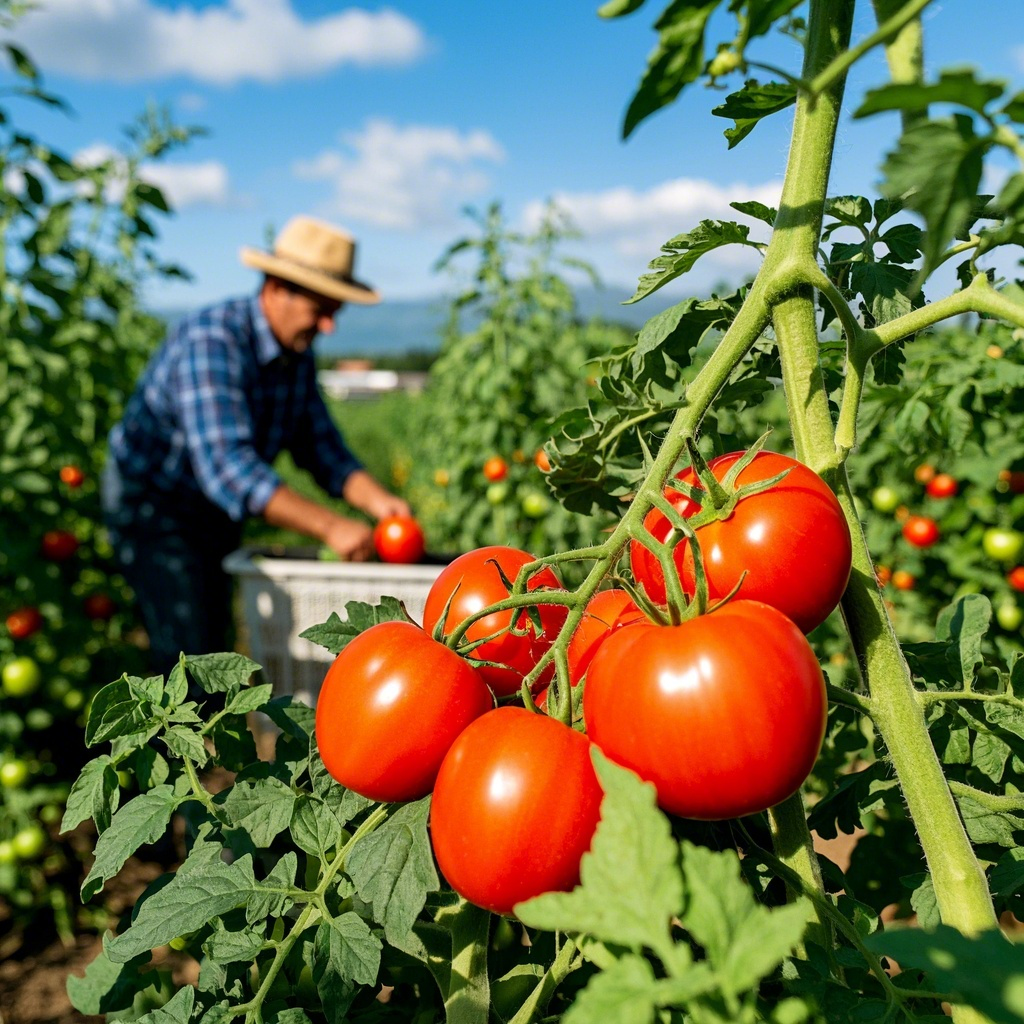
Fertigation System Maintenance: 7 Smart Tips to Maximize Yield
Fertigation System Maintenance is one of the most powerful levers modern farms can use to improve
yield stability and resource efficiency. By combining fertilizer and irrigation into one controlled process, a well-maintained smart fertigation system delivers the right nutrients at the right time and keeps your irrigation network
running smoothly season after season.
This guide explains how Fertigation System Maintenance works in practice, what to check on a daily, weekly, and
seasonal basis, and how farm owners, agronomists, and irrigation engineers can reduce downtime while extending equipment life.
Table of Contents
I. Introduction & Background
Fertigation, the process of delivering fertilizers with irrigation water, is a cornerstone of modern agriculture.
When Fertigation System Maintenance is done correctly, your crops receive the precise nutrients they need,
leading to increased yields, better quality, and higher resource efficiency.
Fertigation System Maintenance keeps crop fields healthy, uniform, and high-yielding.
The Rise of Smart Fertigation Systems
Traditional fertigation methods often rely on manual adjustments and guesswork. This can lead to over- or
under-fertilization, wasting water and nutrients and potentially harming crops. In contrast, a
smart fertigation system uses sensors, automation, and data analytics to optimize dosing and timing,
delivering consistent results and predictable ROI.
Many progressive farms are adopting Fertigation System Maintenance alongside drip irrigation to reduce labor,
stabilize crop performance, and meet stricter environmental regulations. Organizations such as the Food and Agriculture Organization (FAO) also emphasize efficient water and nutrient use as a key pillar of sustainable agriculture. For further reading on water management in agriculture, you can explore FAO’s resources on irrigation and water management.
| Feature | Traditional Fertigation | Smart Fertigation System |
|---|---|---|
| Nutrient Delivery | Manual mixing and application, prone to inconsistencies | Automated, precise nutrient delivery based on real-time data |
| Monitoring | Visual inspection with limited feedback | Continuous monitoring of pH, EC, and soil moisture |
| Automation | Primarily manual operation | Automated scheduling and dynamic adjustments |
| Resource Efficiency | Lower, higher risk of waste | Higher, optimized water and fertilizer usage |
II. Core Functions of Smart Fertigation Systems
A smart fertigation system connects irrigation hardware, dosing pumps, sensors, and a control unit into one integrated platform. When combined with consistent Fertigation System Maintenance, these functions deliver reliable performance throughout the season.
- Automated nutrient dosing based on preset recipes and crop stages.
- Real-time monitoring of EC, pH, flow rate, and tank levels.
- Scheduled irrigation according to time, volume, or sensor data.
- Data logging and alarms for pressure drops, blockages, or abnormal EC/pH.
- Remote control via mobile app or web dashboard on advanced systems.
When paired with a well-designed drip irrigation network, these functions help create a stable production environment
for high-value crops such as tomatoes, grapes, berries, and greenhouse vegetables. For farms considering hardware upgrades, exploring a dedicated Smart Fertigation System from Haishun is often the fastest way to modernize.
III. Key Considerations When Purchasing
Before investing in a smart fertigation system, farm owners and project consultants should evaluate several technical and business factors to support long-term Fertigation System Maintenance:
- Farm layout and water source – flow rate, pressure, water quality, and elevation differences.
- Crop types and rotation – perennial orchards vs. seasonal vegetables require different strategies.
- Number of irrigation zones – how many blocks need independent control and fertigation recipes.
- Dosing channels – number of fertilizer tanks (A/B/C) and acid or micronutrient channels.
- Control interface and language – user-friendly screens, local language support, and remote access options.
- Service & training – availability of installation guidance, after-sales support, and spare parts.
A clear discussion with your supplier about ROI, payback period, and service plan will make it easier for decision-makers and investors to approve the project.
IV. Fertigation System Maintenance & Irrigation Care
Proper Fertigation System Maintenance is the backbone of any advanced irrigation project. Instead of waiting for failures, build a simple routine that combines daily checks with weekly and seasonal tasks.
Recommended Maintenance Schedule
| Task | Frequency | Key Checkpoints |
|---|---|---|
| System visual inspection | Daily | Leaks, unusual noises, pressure gauge readings, alarm messages |
| Filter flushing | Weekly (or more often with dirty water) | Sand/media filters, screen filters, disc filters |
| Line flushing | Weekly to monthly | Flush submains and drip laterals to remove sediment and precipitates |
| Fertilizer tank cleaning | Every 1–3 months | Remove sludge, check mixers and suction lines |
| Sensor calibration (EC/pH) | Monthly or as recommended | Use standard solutions and record calibration data |
| Seasonal system inspection | At least once per season | Check valves, pumps, electrical components, and software updates |
For drip irrigation networks, make sure you also perform acid flushing or chlorine treatments according to expert
recommendations to keep emitters clean. This protects both the irrigation network and overall Fertigation System Maintenance performance.
If you are unsure how to build a routine for your farm, you can take reference from the maintenance guidelines that
come with your Haishun Smart Fertigation System or consult your agronomist for farm-specific adjustments.
V. Common Problems & Practical Solutions
Even with good design, any fertigation system can face operational issues. The key is to recognize early warning signs
and respond systematically with proper Fertigation System Maintenance.
1. Uneven Fertilizer Distribution
Symptoms: some blocks show stronger growth, while others look weaker or show deficiency symptoms.
Check for partial blockages in filters, pressure differences between zones, and incorrect valve settings.
Flushing lines and checking emitter flow rates can quickly reveal the source.
2. Clogged Emitters or Filters
High sediment, iron, or bicarbonate levels in the water often cause clogging. Use appropriate filtration,
schedule regular flushing, and consider chemical treatments such as acidification or chlorination where recommended.
Monitor pressure at the head and at the far end of lines to identify hidden restrictions.
3. Unstable EC or pH Readings
If readings jump unexpectedly, inspect the EC and pH sensors for fouling or damage and confirm that your calibration
is up to date. Also ensure that fertilizer tanks are properly mixed and that suction lines are not sucking air.
4. Pump or Injector Failures
Overheating, dry running, or cavitation can shorten pump life. Make sure inlet filters are clean, valves are fully open,
and pumps are operated within the recommended pressure range. Establish a simple logbook to track operating hours and preventive maintenance.
VI. Conclusion & Haishun Smart Solutions
Investing in a smart fertigation system is not only about buying equipment. Long-term success depends on proper design, correct installation, and disciplined Fertigation System Maintenance. When these elements are in place, farms can achieve higher yields, more stable quality, and better use of water and fertilizer.
Haishun focuses on smart irrigation and fertigation solutions for overseas farms, greenhouses, and agri-projects,
supporting customers with system design, training, and remote guidance. If your team is planning to upgrade from
manual fertilization to a smart fertigation system, now is the time to evaluate the real ROI and lifecycle cost.
To learn more about design options, budgets, and project cases, you can visit the Haishun website or contact the team directly for a tailored solution.
VII. Frequently Asked Questions (FAQ)
1. How often should I clean my fertigation system?
Flush lines and clean filters at least once per month. In areas with poor water quality or heavy sediment, weekly maintenance is recommended. Always follow the manufacturer’s guidelines and adjust frequency based on local conditions.
2. Does a smart fertigation system really save water and fertilizer?
Yes. By delivering nutrients and water precisely when and where crops need them, smart fertigation systems significantly
reduce runoff, leaching, and evaporation losses, improving input efficiency and crop performance at the same time.
3. What types of farms benefit most from smart fertigation?
Vineyards, orchards, protected cultivation (greenhouses and net houses), and large open-field vegetable or row-crop farms all benefit from precise irrigation and nutrient management. Farms that face water scarcity or high fertilizer costs
usually see the fastest payback.
4. Is it difficult to operate a smart fertigation system?
Modern systems are designed with user-friendly interfaces. Once initial recipes and schedules are set, day-to-day operation is simple. Haishun can provide training, remote support, and clear documentation to help your field team operate the system with confidence.