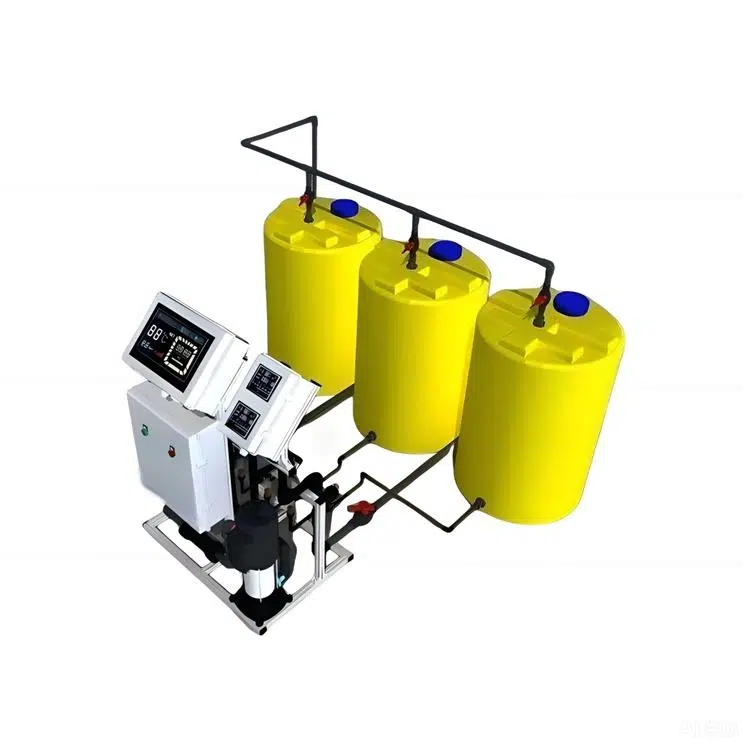
Fertigation vs Traditional Irrigation
7 Key Differences
Target keyword: fertigation vs traditional irrigation · Slug: fertigation-vs-traditional
Short Excerpt
Fertigation vs traditional irrigation is a common agricultural comparison. The main difference is that fertigation delivers water and dissolved nutrients together through an irrigation system, while traditional irrigation usually supplies water separately from fertilizer application. This article explains 7 key differences, how fertigation works, its advantages, its limitations, and where each method is most suitable.
Quick Answer
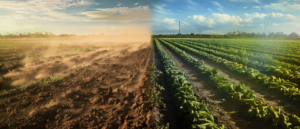
Fertigation vs traditional irrigation can be understood simply: fertigation sends water and soluble nutrients together through the irrigation network, while traditional irrigation usually delivers water first and applies fertilizer separately through another field operation.
This difference influences nutrient timing, labor needs, precision, infrastructure requirements, and suitability for crop systems such as vegetables, orchards, greenhouses, vineyards, and other commercial farming applications.
What Is the Difference?
Definition first: Fertigation is a method of applying water-soluble fertilizer through an irrigation system. Traditional irrigation is the delivery of water to crops without necessarily combining fertilizer in the same process.
So in practice, fertigation vs traditional irrigation is a comparison between integrated water-nutrient delivery and separate water-plus-fertilizer management.
- Fertigation: water and nutrients are delivered together
- Traditional irrigation: water is delivered separately and fertilizer is often applied in another step
This distinction matters because crops do not only need water. They need correctly timed nutrition, and the method of delivery can influence crop uniformity, management efficiency, and system scalability.
Side-by-Side Comparison: 7 Key Differences
| Factor | Fertigation | Traditional Irrigation |
|---|---|---|
| Water and nutrient delivery | Combined in one system | Usually handled separately |
| Feeding frequency | More flexible, smaller doses possible | Often less frequent and less flexible |
| Labor demand | Lower after system setup | Higher when fertilization is manual |
| Precision | Higher when calibration is correct | Depends more on operator practice |
| Automation potential | Strong | Usually limited |
| Initial investment | Moderate to higher | Usually lower |
| Best fit | Drip systems, greenhouses, high-value crops | Simpler or lower-input operations |
Key takeaway: In the comparison of fertigation vs traditional irrigation, fertigation usually offers more control and consistency, while traditional irrigation may still be appropriate when simplicity and lower upfront cost are the main priorities.
How Fertigation Works
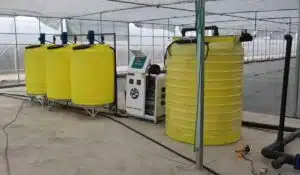
Simple explanation: A fertigation system injects dissolved fertilizer into irrigation water at a controlled rate. The solution moves through pipes and control components and then reaches the root zone through emitters or irrigation outlets.
Typical system parts include:
- Water source
- Fertilizer tank or stock solution tank
- Injector, dosing pump, or venturi device
- Filtration unit
- Valves and pressure control components
- Drip tape, drip lines, or other irrigation distribution parts
This is why fertigation vs traditional irrigation is not only a terminology question. It reflects two different management approaches: one integrates water and nutrient delivery, while the other treats them as separate tasks.
Main Advantages of Fertigation
Conclusion first: The main advantage of fertigation is more precise control over when and how nutrients are delivered together with irrigation water.
1. More precise nutrient timing
Fertigation allows smaller and more frequent nutrient applications, which may better align with crop growth stages than separate, larger fertilizer applications.
2. Better compatibility with drip irrigation
Because drip systems already target the root zone efficiently, adding dissolved nutrients through the same network can improve delivery precision.
3. Lower repeated labor input
Once the system is correctly installed and managed, repeated manual feeding operations can be reduced.
4. Easier automation
Fertigation systems are easier to integrate with irrigation scheduling, zone control, and automated management logic.
5. Better fit for intensive production
Greenhouse crops, berries, vegetables, and other high-value crops often benefit from more uniform irrigation and nutrient delivery.
Limitations and Cautions
Important: Fertigation is not automatically the best option in every farming system. Its effectiveness depends on water quality, system design, fertilizer compatibility, maintenance quality, and operator understanding.
- Higher setup cost: injectors, filters, tanks, and control parts increase initial investment
- Clogging risk: poor filtration or unsuitable fertilizers may block emitters
- Maintenance requirement: filters and irrigation lines require regular inspection
- Backflow protection: safe design is necessary to protect the water source
- Calibration needs: nutrient dosing must be properly set and monitored
Technical guidance from FAO and UF/IFAS consistently highlights the importance of proper filtration, safe system design, and suitable fertilizer selection in fertigation practice.
Best Use Cases
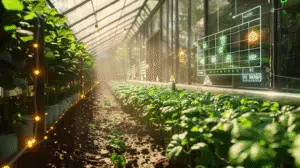
Fertigation is often most suitable for:
- Greenhouse crop production
- Drip irrigation systems
- Vegetable and fruit cultivation
- Orchards and vineyards
- Commercial farms that require repeatable management
- Production systems where water and nutrient control matter
Traditional irrigation may still be suitable for:
- Lower-investment operations
- Simple irrigation layouts
- Fields with limited infrastructure
- Cases where fertilizer is intentionally managed separately
In real decision-making, fertigation vs traditional irrigation is less about declaring one method universally superior and more about selecting the right level of control for the crop, budget, and management system.
Frequently Asked Questions
Is fertigation better than traditional irrigation?
Fertigation is often better for drip irrigation, greenhouse production, and high-value crops because it improves timing and delivery control. Traditional irrigation may still be practical where systems are simpler and budgets are lower.
What is the main difference in fertigation vs traditional irrigation?
The main difference is that fertigation delivers water and dissolved nutrients together, while traditional irrigation usually separates watering from fertilizer application.
Does fertigation always save water?
Not always. It can improve water-use efficiency when the system is well designed and properly managed, especially in drip irrigation applications.
What fertilizers are used in fertigation?
Water-soluble fertilizers are commonly used because they can move through injectors, filters, and emitters more safely than non-soluble materials.
What are the main risks of fertigation?
Common risks include clogging, poor filtration, unsuitable fertilizer compatibility, and weak backflow protection if the system is not properly designed and maintained.