How Does a Smart Fertigation System Work?
A Comprehensive Guide for Farm Owners and Agronomists
-300x168.png)
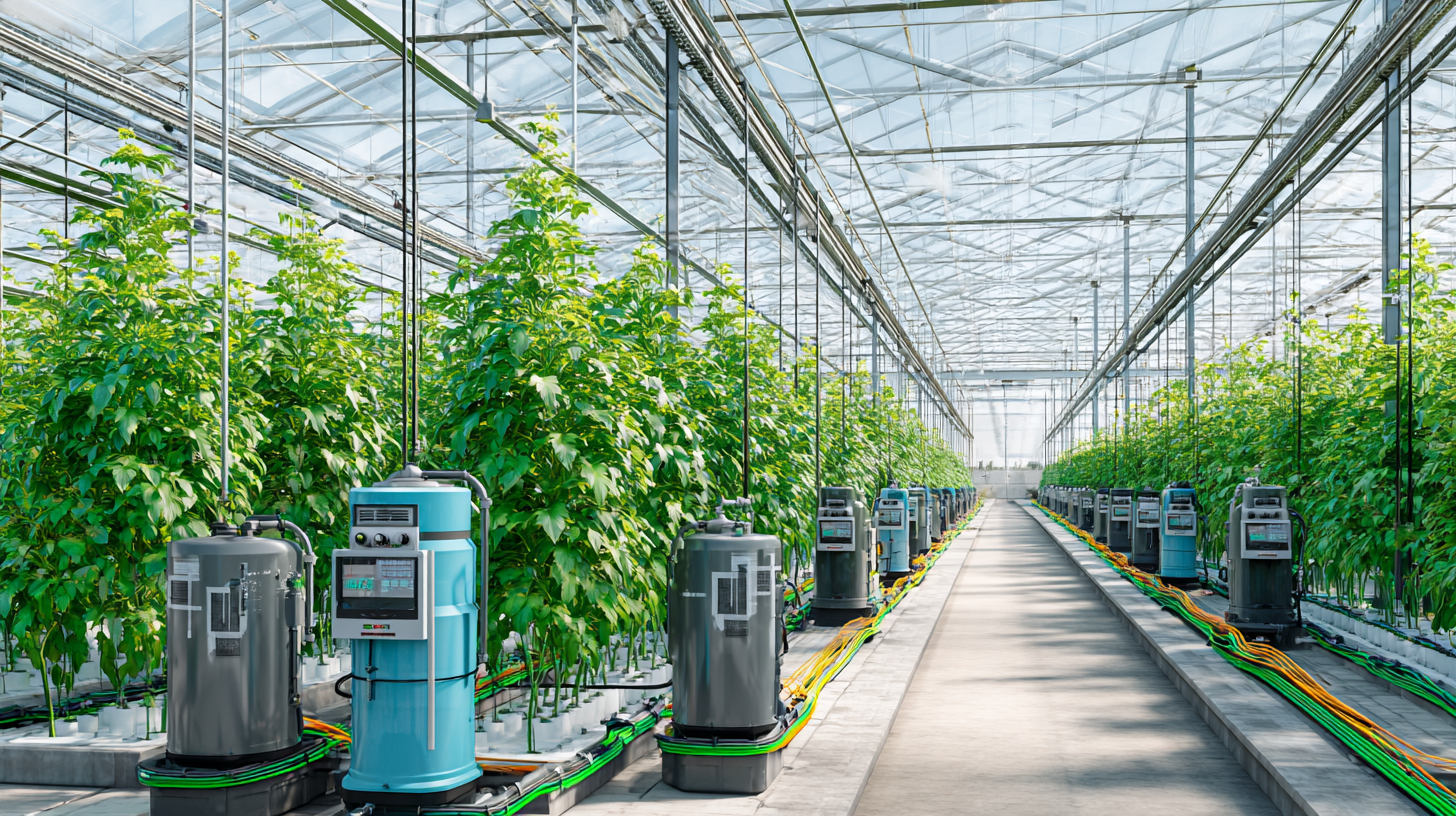
Smart fertigation systems are revolutionizing agriculture by automating and optimizing the delivery of water and nutrients directly to crops. It’s a data-driven approach ensuring precise dosing and efficient use of resources.
I. Comparison: Irrigation Automation, Dosing, and Smart Fertigation
The Smart Fertigation System combines both irrigation automation and nutrient dosing, achieving precise control based on real-time data. The comparison below highlights the differences:
| Feature | Irrigation Automation | Dosing Systems | Smart Fertigation System |
|---|---|---|---|
| Definition | Automating watering process. | Controls nutrient application amount. | Integrates irrigation & nutrients based on real-time data. |
| Key Benefit | Reduced labor cost, consistent schedule. | Optimized nutrient levels. | Higher yield, lower waste, sustainability. |
| Technology | Timers, solenoid valves. | Injectors, pumps. | Sensors, IoT, cloud controllers. |
| Intelligence | Basic automation. | Moderate control. | Advanced data-driven optimization. |
II. Industry Trends and Significance
According to global market research, the fertigation industry will exceed USD 12 billion by 2025, growing at 8% annually. This surge is powered by:
- Demand for higher yield and efficiency.
- Adoption of precision agriculture.
- Water scarcity and conservation needs.
- Government support for sustainable agriculture.
The Smart Fertigation System directly addresses these challenges with real-time control and data-driven precision.
III. Core Functions of a Smart Fertigation System
- Automated Precision Dosing: Real-time sensors monitor soil moisture, pH, and EC. The controller calculates and injects precise fertilizer amounts.
- Scheduling and Control: Farmers can set irrigation plans via mobile or cloud apps.
- Real-Time Monitoring: Dashboards display water pressure, nutrient mix, and flow for instant correction.
- Resource Efficiency: Reduces fertilizer loss and nutrient runoff, protecting the environment.
- Scalability: Works in drip irrigation setups, greenhouses, and open fields.
IV. Key Considerations When Choosing a Smart Fertigation System

- Crop type & growing medium.
- Farm size and expansion capability.
- Water source and quality.
- Sensor accuracy & data reliability.
- Connectivity and mobile control.
- Maintenance and after-sales support.
V. Example Configuration
| Component | Parameter |
|---|---|
| Water Tank | 5000L |
| Fertilizer Tank | 2000L |
| Accuracy | ±2% |
| Communication Protocol | MQTT |
VI. Common Problems and Solutions
- Clogging: Use filters and clean injectors regularly.
- Sensor Drift: Calibrate sensors periodically.
- Power Outage: Install backup power units.
- Data Loss: Enable cloud backup for security.
VII. Smart Fertigation vs. Traditional Systems
Unlike manual or time-based irrigation, a Smart Fertigation System merges nutrient dosing and water delivery, optimizing crop yield while saving up to 30% fertilizer and 25% water.
VIII. Conclusion and Recommendations
Smart Fertigation Systems empower farmers with data-driven control, improved yield, and lower operational costs. For long-term sustainability and efficiency, integrating such systems is a key investment for the future.
IX. Why Choose Haishun

- Proven Expertise: Decades of global export and technical support experience.
- Wide Product Range: Smart fertigation, drip irrigation, hydroponics, and greenhouse systems.
- Quality Assurance: Certified systems built to international standards.
- End-to-End Solutions: From design to after-sales support for global farms.
🌿 Visit our official website or contact us via email to learn more.
X. Frequently Asked Questions
What is a Smart Fertigation System?
A Smart Fertigation System integrates irrigation and fertilization automatically using sensors and IoT controls.
Can it work with existing irrigation setups?
Yes, it can retrofit to drip or sprinkler systems with compatible control valves and sensors.
Does it save fertilizer and water?
Yes, on average 20–30% fertilizer and 25% water savings are achieved with precision dosing.