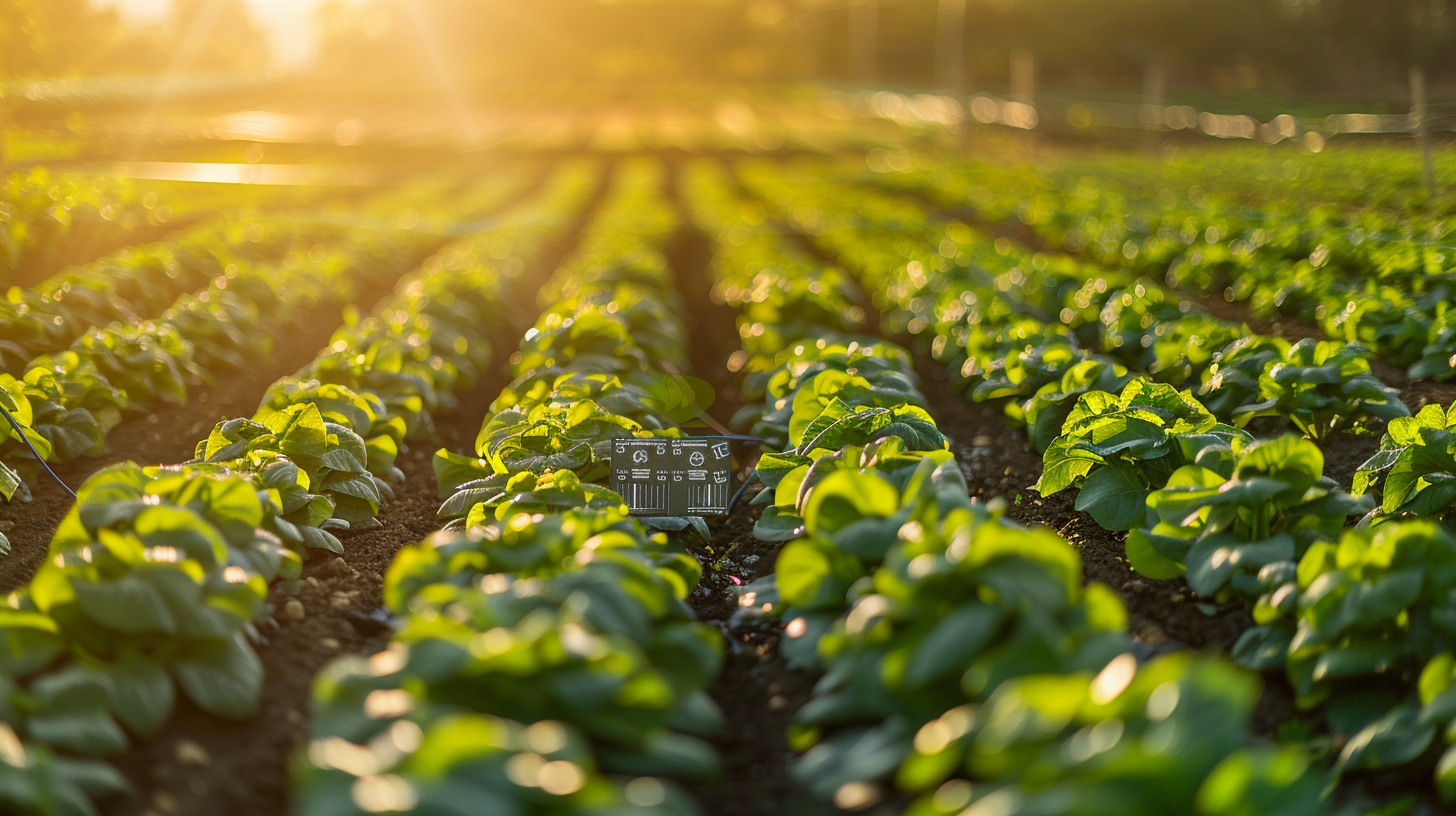
Smart Fertigation System Demo (2026): Remote Control, Automation & ROI
Target keyword: smart fertigation system
A smart fertigation system integrates irrigation, nutrient dosing and monitoring into one automated workflow—helping farms reduce waste, stabilize crop performance, and manage operations remotely.
Short Excerpt
Live demo of a smart fertigation system covering automation, monitoring, remote control and a practical ROI estimate based on your farm data.
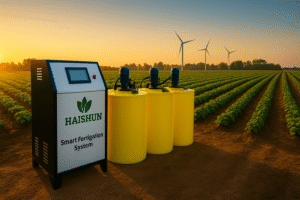
I. Why schedule a smart fertigation system demo
In real projects, the key risk is not equipment specs—it is whether the workflow fits your farm: monitoring → dosing → zoning → alerts → reporting.
A live demo makes the smart fertigation system operational logic visible, so decision-makers can verify compatibility before committing budget.
- Reduce decision risk: confirm the control flow, sensors, and reporting are usable by your team.
- Validate ROI assumptions: estimate savings and payback from your baseline water, fertilizer, labor and crop value.
- Confirm integration: check valves, filtration, pumps, and drip/greenhouse layouts can connect cleanly.
II. What you will see in the demo
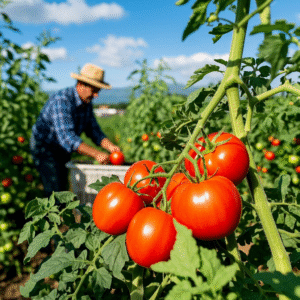
A strong smart fertigation system demo should show both “data” and “action.” Data without action is a dashboard; action without data is guesswork.
During the demo, focus on the following modules.
| Demo Module | What to Verify | Decision Impact |
|---|---|---|
| Real-time monitoring | Moisture / EC / pH / flow & alarms in one screen | Avoid under/over-irrigation and nutrient drift |
| Automated dosing | Recipe-based injection and stable targets | Reduce fertilizer waste; stabilize crop quality |
| Remote control | Start/stop zones, confirm alerts, change plans | Lower labor and response time |
| Reporting | Water/nutrient runtime summaries by zone & time | Faster decisions and transparent performance |
Demo example: alert-to-action flow
III. Comparison: traditional vs automated
If your farm relies on manual mixing and fixed schedules, the biggest hidden cost is variability.
A smart fertigation system reduces variability by controlling water and nutrients at zone level, with traceable logs.
| Item | Traditional | Automated platform | Result |
|---|---|---|---|
| Water delivery | Often uneven | Zone-based scheduling | Lower overwatering risk |
| Nutrient dosing | Manual, inconsistent | Recipe-based injection | Reduced waste & leaching risk |
| Labor | High, repetitive field trips | Remote control + alerts | Fewer emergency checks |
| Reporting | Limited | Dashboards & exports | Faster decisions |
External reference (FAO): Sustainable water & nutrient management
IV. Choosing checklist & compatibility
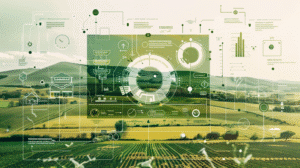
A demo is most valuable when you bring “checkpoints.” Below is a practical checklist to use when evaluating any smart fertigation system.
- Scalability: can zones/blocks expand without redesign?
- Compatibility: valves, pumps, filtration, drip/greenhouse lines, power and comms.
- Sensor stability: calibration workflow, replacement path, and lead time for spares.
- Ease of use: roles, logs, alerts, exportable reports.
- Service: onboarding, remote diagnostics, SOP documents, and after-sales response.
V. ROI estimation approach
ROI should be discussed with your baseline inputs, not generic claims. In a smart fertigation system demo, the most credible approach is to build a payback range from your data.
How ROI is estimated in the demo
- Baseline: water/fertilizer use, labor hours, yield variability.
- Savings: input reduction + fewer field trips via remote control and alerts.
- Upside: yield stability and quality consistency by zone.
- Payback: combine CAPEX and expected OPEX to estimate payback range.
If you want Haishun to prepare an ROI sheet before the demo, send: crop type, acreage/greenhouse area, irrigation method, baseline fertilizer program, labor structure, and target harvest window.
If you are evaluating a smart fertigation system, a structured demo saves time and improves decision quality.
Book a live demo, visit Haishun or contact us via email.